

Travel vlogging has grown into one of the most engaging ways to share trips and personal experiences. Viewers enjoy seeing a place through someone else’s camera, voice, and point of view. Many creators use travel vlogging to tell simple stories, highlight culture, and show moments that feel honest and unscripted. These videos enable audiences to follow a journey, learn from it, and experience a location through the creator’s lens.
If you want to improve your travel vlogging content, strong storytelling, clear audio, stable footage, and thoughtful editing can make a huge difference. These tips help you stay organized, capture better scenes, and create videos that hold attention from the first shot to the final clip. With a focused approach, you can film travel vlogs that feel natural, informative, and easy to watch.
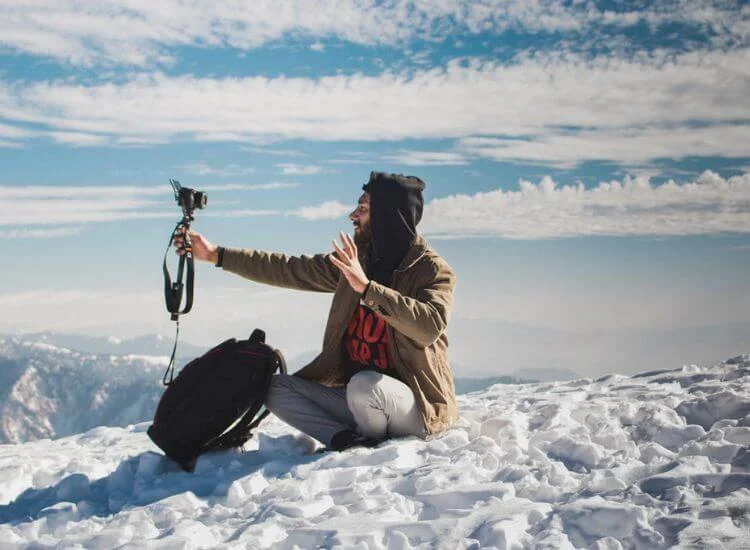
Travel vlogging is the process of filming your trips and sharing them as short or long videos that highlight your experience. These videos often mix clips, narration, and personal insights to help viewers feel present with you.
If you want a clear answer to what is travel vlogging, it is a form of vlogging that centers on exploring destinations, meeting people, showing culture, and sharing your perspective while you travel.
A travel vlog usually includes simple storytelling, clear shots of a location, and moments that reflect what the experience was like for you. Many travel vloggers film food, landscapes, transportation, street scenes, and local interactions to give their audience a fuller picture of the place. These small moments, such as trying a dish for the first time or talking to a vendor, make the vlog personal and relatable.
Modern travel vlogging also focuses on authenticity. Viewers enjoy honest reactions and real experiences more than polished segments that feel produced. When you combine steady visuals, natural commentary, and a clear storyline, you build travel vlogs that feel connected to real life. Many successful creators use both planned shots and spontaneous moments to bring their audience along for the journey and keep them engaged from clip to clip.
This quick guide can help you decide which storytelling format—written or video—best suits your goals by highlighting the differences between blogs and vlogs.
These vlogging tips will guide you to create engaging, unforgettable content that inspires wanderlust.
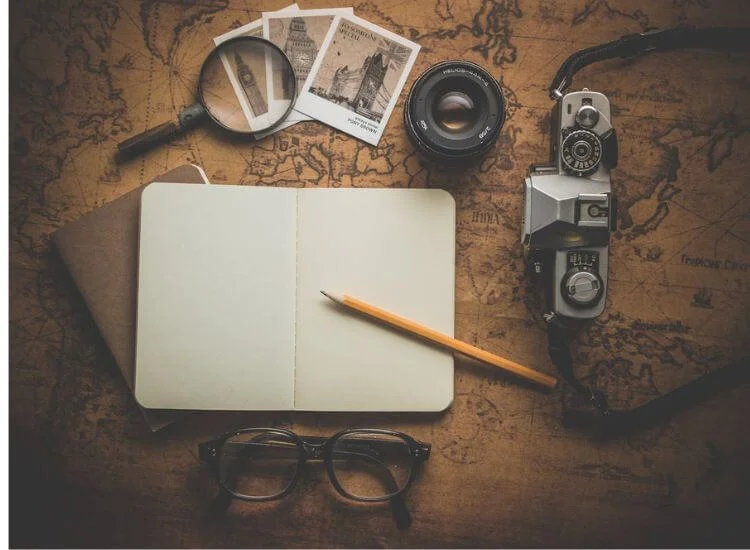
A simple storyline gives your travel vlog structure and helps you avoid random footage. When you plan your shots, you stay focused on the scenes that matter.
How to build a solid storyline:
A simple plan helps you concentrate on storytelling instead of guessing what to film next.
To help you plan your shots and develop a strong theme, consult this detailed vlog content strategy resource, which offers guidance on organizing your ideas before you start filming.
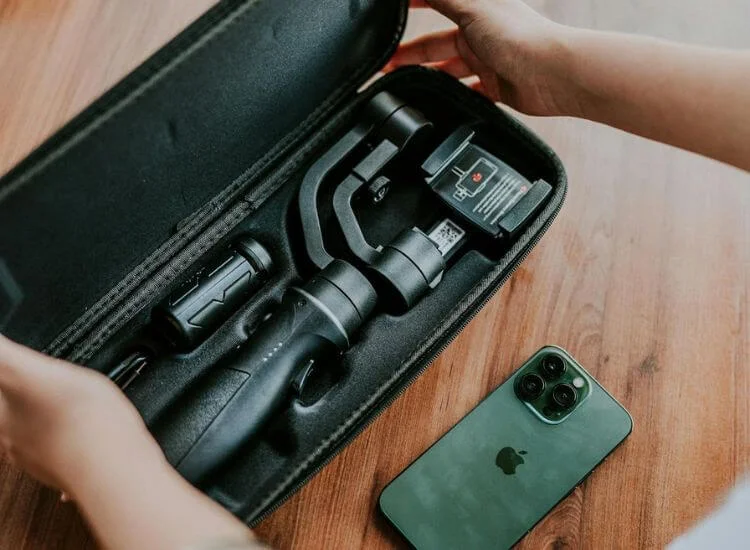
Good gear improves your footage and makes your travel vlogging setup more reliable. You can film with a smartphone, but a few accessories make your work easier.
Gear essentials and why they matter:
If you travel often, choose gear that is light, durable, and easy to pack.
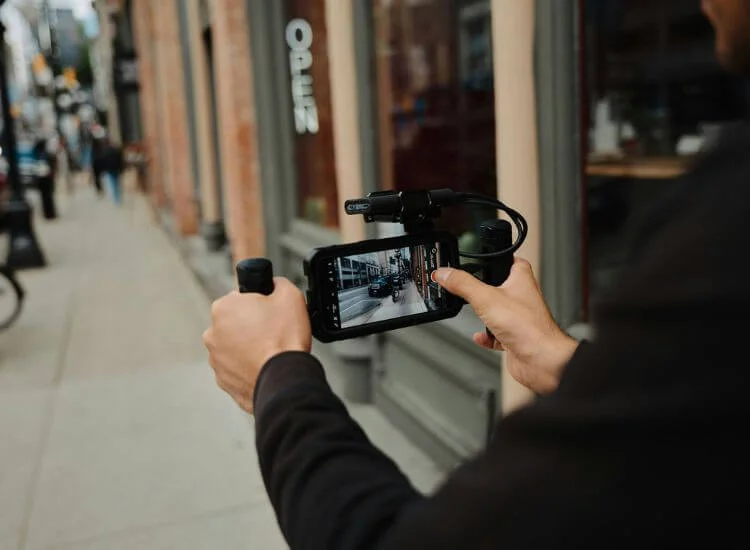
B-roll adds depth to travel vlogs and brings your story to life. It helps you fill gaps in your footage and makes your editing smoother.
Tips for better B-roll:
High-quality B-roll gives your travel vlog a cinematic feel and keeps your viewers interested.
Storytelling is one of the most important skills in travel vlogging. It helps you connect with your audience and gives your video direction.
Ways to improve your storytelling:
Good storytelling keeps your audience watching even during slower parts of your trip.
If you want to avoid common vlogging challenges that slow creators down, explore this guide on issues many vloggers deal with to strengthen your workflow.
Editing brings your footage together and shapes your final travel vlog. Even a simple edit can improve pacing and viewer satisfaction.
Editing tips for better travel and adventure vlogs:
A consistent editing style helps viewers recognize your content and stay engaged.
Lighting can improve your travel vlogging footage more than most gear upgrades. When your subject is well-lit, your video looks clear and professional.
Lighting tips:
Working with good light gives your travel vlogs a clean and inviting look.
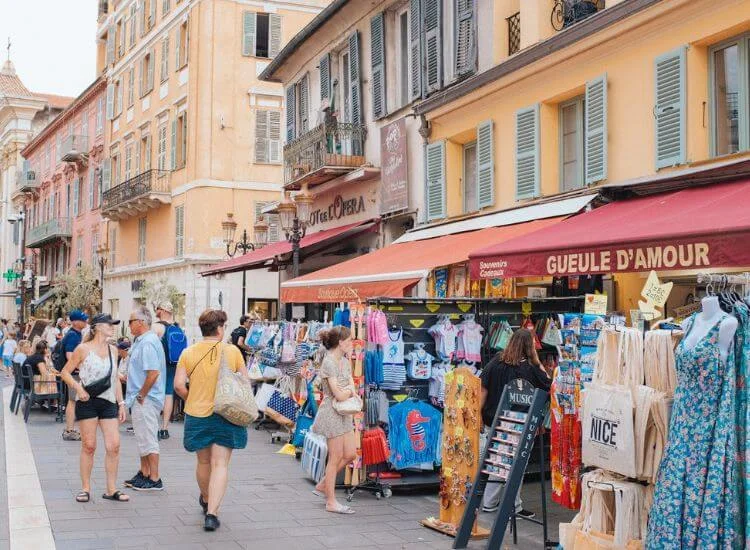
Showing local culture gives your travel vlog authenticity and a stronger sense of place. Viewers enjoy seeing what makes a location unique.
Ways to connect with local culture:
These scenes help your audience connect with the destination on a deeper level.

Travel vloggers often film introductions, travel tips, and short explainers while on location. It can be easy to lose your place when you are surrounded by noise or movement. Using a teleprompter app helps you stay focused and maintain steady delivery, even in busy environments.
How to use a Teleprompter.com app in travel vlogging:
A teleprompter app helps you speak with clarity and confidence, which makes your travel vlogs easier to follow. Sign up for free to make your next travel vlog smoother, faster, and more professional.
Travel vlogging grows faster when you involve your audience. Interaction encourages viewers to return and take part in your content.
Ideas to increase engagement:
Audience participation helps your channel form stronger viewer relationships.
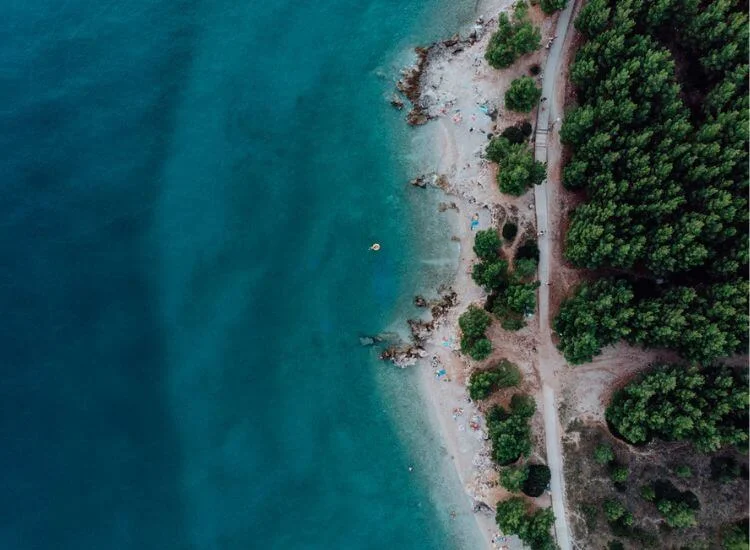
Drone shots add scale and perspective that viewers love. They help show the layout of a destination from above and add depth to your travel vlogs.
Drone filming tips:
A few well-planned drone clips can elevate your travel vlogging style.
Travel vlogging blends storytelling, visuals, and personal experiences to create videos that viewers enjoy watching and sharing. These travel vlogging tips help you plan, film, and edit content that feels real and organized. When you combine strong ideas, cultural moments, and consistent editing, your travel vlogs become more memorable and engaging.
Travel vlogging lets you document trips, grow an audience, and share useful insights. It builds creative and filmmaking skills and can open doors to partnerships, income, and a supportive travel-focused community.
Travel vloggers need basic filming, simple editing, clear communication, and storytelling skills. Understanding lighting, audio, and pacing helps. Curiosity, patience, and adaptability also support smoother filming.
Start with the gear you already have. Plan a simple storyline, record both A-roll and B-roll, and keep your clips short. Use basic editing software like iMovie or DaVinci Resolve to assemble your video.
A good travel vlogging setup includes a reliable camera, stabilizer or gimbal, external microphone, and lightweight tripod. A teleprompter app like Teleprompter.com helps you stay organized during scripted segments.
Combine strong storytelling, local culture, viewer interaction, and well-shot B-roll. Add narration or voiceovers when you need context, and choose music that matches the scene.
Most travel vlog videos perform well between 5 and 10 minutes. If your trip has several locations, consider making a travel vlog series.


.png)


.png)