


Podcast listening has become a regular habit for a large share of the population, not a passing trend. According to Edison Research, 73 percent of people aged 12 and older have listened to a podcast at least once, the highest level of adoption recorded so far. Monthly and weekly listening have also reached new highs, showing that podcasts play a consistent role in how people consume audio content.
Podcasts are popular because they offer on-demand audio that fits daily routines. Listeners can multitask, explore niche topics, and build trust with familiar hosts. Low production costs and improving technology continue to support steady podcast growth.
Looking into how people listen, what keeps them interested, and why audio keeps their attention over time might help you understand why are podcasts so popular.

Podcasts succeed because they remove scheduling limits. Episodes are available on demand, which allows listeners to choose content that fits their time and interests. Unlike traditional radio, podcasts do not require listeners to tune in at a specific hour.
It's easy to listen to most podcast apps. You can view episodes right away or download them to watch later. This flexibility makes it easy to listen to podcasts again and again and makes them fit into daily life. On-demand audio makes things easier, which is one of the main reasons why podcast listenership is still growing.
Podcasts work well in moments when screens are not practical. Many listeners tune in while driving, walking, cooking, or exercising. Audio content allows people to learn or be entertained without stopping what they are doing.
This screen-free format sets podcasts apart from video and reading. Podcasts can reduce screen fatigue and adapt to listeners who prefer to multitask. People who listen regularly often spend several hours a week with podcasts, with the average weekly listening time reaching about 7 hours for many listeners.

Podcasts stand out because they focus on depth rather than reach. Traditional media often aims for large audiences, which limits how deeply topics can be explored. Podcasts take a more focused approach.
Listeners can find shows dedicated to business strategy, personal finance, health, history, creative work, and many other specific interests. This focus attracts audiences who want detailed discussion and practical insight. Niche podcasts often grow through recommendations and word-of-mouth, which supports steady and sustainable growth.
Podcast popularity also comes from how personal audio feels. Hearing the same voices regularly builds familiarity and trust. Over time, listeners form strong connections with hosts through conversation and storytelling.
Many podcasts feature long-form discussions that allow hosts to share experiences and perspectives in a natural way. This format creates loyalty and keeps listeners returning week after week. These relationships are a core reason podcasts maintain high engagement.

Podcasts are easy to start compared to other content formats. Most creators need only basic equipment and simple editing tools.
Common advantages include:
For podcasters who record structured episodes or scripted segments, tools like Teleprompter.com can support clear delivery and steady pacing during recording without disrupting the natural flow of audio.
This accessibility allows creators to focus on ideas, consistency, and audience connection rather than production complexity.
For those new to audio production, a useful checklist for starting a podcast can help clarify the early steps without adding complexity.
Podcasts perform well as a marketing channel because listeners trust hosts. Ads are often delivered by the host and feel like part of the conversation rather than interruptions.
For creators and brands looking to go deeper, understanding effective podcast marketing strategies can help turn that trust into consistent audience growth and measurable results.
Creators and brands use podcasts to:
Podcast advertising benefits from long listening sessions and strong host credibility, which increases brand recall and engagement.
Podcasts allow time for explanation and clarity. Episodes often last long enough to explore topics fully, which helps creators explain ideas without rushing.
This format allows creators to:
Over time, long-form audio content helps creators and brands develop lasting authority.
Podcasts offer listeners control. Episodes are available on demand and can be accessed at any time. This flexibility supports modern listening habits and removes scheduling constraints.
Podcast distribution also reaches a global audience through mobile apps and streaming platforms. Content creators can publish episodes that remain discoverable long after release, which increases long-term value.
Audio podcasts fit naturally into moments when screens are not practical. Many listeners press play while commuting, exercising, or handling daily tasks. This hands-free format supports consistent listening and longer engagement.
Some creators also publish video podcasts, which pair audio with visuals for platforms like YouTube. While this format can expand reach, most listeners still prefer audio-first episodes that work well without screen attention.
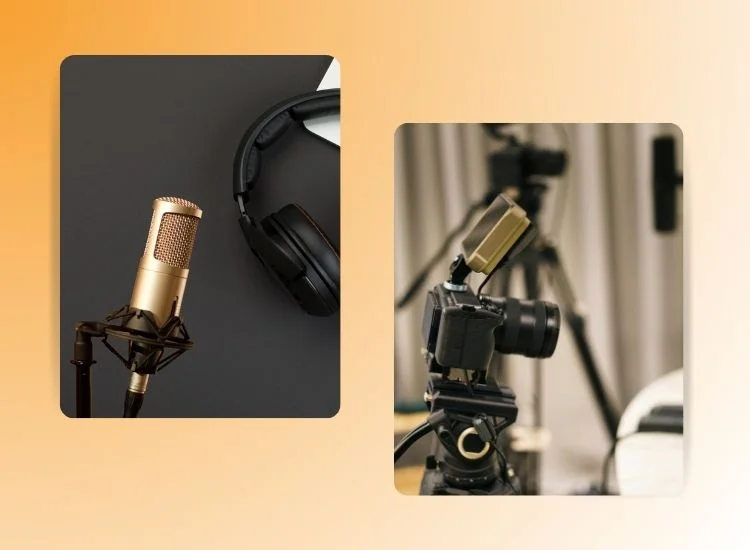
From a production standpoint, audio podcasts remain easier to manage at scale. Creators can focus on clear delivery, storytelling, and conversation without handling cameras, lighting, or visual editing. This simplicity supports consistency and long-term publishing.

Podcast growth reflects deeper engagement rather than casual interest. Industry research shows that weekly time spent listening to podcasts has increased by more than 350 percent since 2015, reaching hundreds of millions of hours each week.
This growth comes from:
These trends signal lasting audience commitment.
Improved technology supports ongoing podcast growth by reducing friction.
Key developments include:
As access improves across devices and environments, podcast listening becomes easier to maintain as a habit.
Focused audiences play a major role in podcast growth. Listeners often follow shows that align closely with their interests or professions.
Niche podcasts benefit from:
These loyal audiences help podcasts grow steadily through organic discovery.
Podcasts became popular because they offer on-demand audio that fits daily routines. People can listen while commuting, exercising, or working, which makes podcasts easy to consume consistently.
Gen Z listens to podcasts for relatable voices and niche topics. Podcasts feel personal, support multitasking, and provide long-form discussions that social media and short videos often lack.
The main purpose of a podcast is to share information, stories, or insights through audio. Podcasts educate, entertain, and build connections through consistent, conversational content.
The psychology behind podcasts is rooted in voice familiarity and trust. Hearing the same host regularly creates a sense of connection, which increases attention, loyalty, and engagement.
Podcast disadvantages include limited visuals, discoverability challenges, and time commitment. Long episodes may not suit all listeners, and multitasking can reduce information retention.


.png)


.png)