

The biggest challenges for YouTubers in 2026 include standing out in a rapidly growing creator pool, reading an algorithm that changes without warning, hitting monetization thresholds, and avoiding burnout from nonstop content demands. Each challenge has a specific, testable fix, and creators who treat their channel like a system, not a guessing game, grow faster than those chasing viral luck.
Standing out is harder in 2026 because the creator pool has scaled dramatically, with more than 3 million channels enrolled in the YouTube Partner Program alone (New Opportunities to Earn and Changes to the YouTube Partner Program, YouTube Official Blog, Aug 2026), out of an estimated 60 to 65 million active channels on the platform overall (30 Essential YouTube Creator Statistics, Demand Sage, 2026). A broad channel about "vlogging" or "tech" gets buried in that field. A specific angle doesn't.
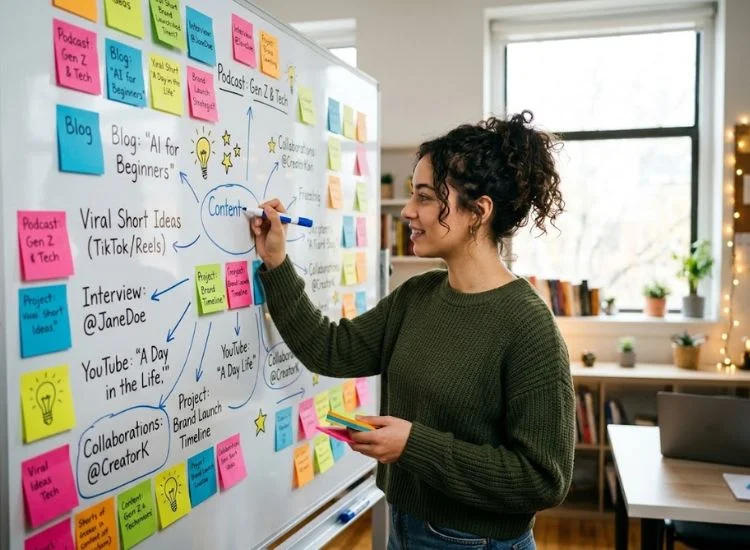
Pick a lane specific enough that a viewer knows exactly what they're getting before they click. "Budget camera gear for apartment creators" beats "camera reviews." Narrow niches also make your content strategy for channel growth easier to plan, since every video reinforces the same audience expectation instead of splitting your viewers across unrelated topics. If you're building around short-form specifically, best performing YouTube Shorts niches are a useful starting menu rather than guessing blind.
YouTube is the second-largest search engine by query volume, and viewers use it the way they'd use Google: typing in a problem and expecting a direct answer. Titles, descriptions, and even your on-screen script should speak to what someone is actually searching for, not just what you want to say. The scale behind that search behavior is worth seeing in full: Teleprompter's YouTube Statistics breakdown covers user growth, watch time, and creator numbers in more depth.
Watch time and engagement remain the two metrics YouTube's system optimizes recommendations around. A video that holds attention for 8 of its 10 minutes will consistently outperform a 3-minute video with a 90% drop-off, even if the shorter video gets more initial clicks.
You can't fully predict the algorithm, but you can build content around the parts of it that stay consistent: total watch time, session duration, and interaction rate. Chasing a single "trick" instead of these fundamentals is why so many creators feel like they're guessing.
Understanding how the YouTube algorithm actually works starts with this: the system favors videos that keep people on YouTube longer, not just longer on your video. That means end screens, playlists, and a video's ability to lead into another watch matter almost as much as the video itself. Likes, comments, and shares still function as trust signals that tell YouTube your content is worth surfacing to new viewers.
Skip secondhand "algorithm hacks" and go to primary sources instead:
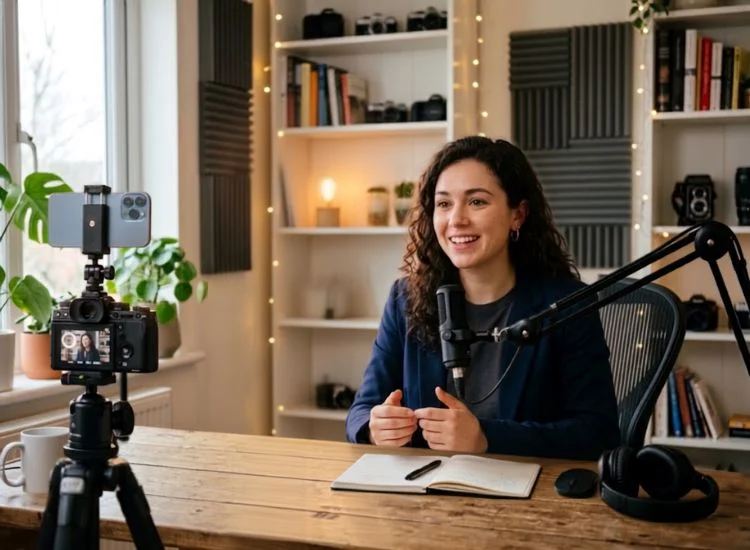
Channel growth in 2026 still comes down to three levers: consistency, content quality, and audience engagement, applied together rather than in isolation. Creators who treat these as separate checkboxes tend to plateau faster than creators who let each one reinforce the others.
A predictable upload schedule tells both YouTube and your audience that your channel is active. It doesn't need to be daily. It needs to be a cadence you can actually sustain, since an inconsistent schedule resets the trust you've built with the algorithm each time you go quiet.
Views measure reach. Engagement measures relevance. Subscriber growth measures whether people want more of what you're already making. Track all three together, because a video with high views but flat engagement usually means your topic worked but your delivery or pacing didn't.
Respond to comments, post community updates, and collaborate with creators in adjacent niches. Cross-promotion with a channel that shares your audience is one of the few growth tactics that still works reliably regardless of algorithm changes.
Your thumbnail and title do the work of getting the click, and your first few seconds do the work of keeping it. Weak execution on any one of these three erases the value of the other two.
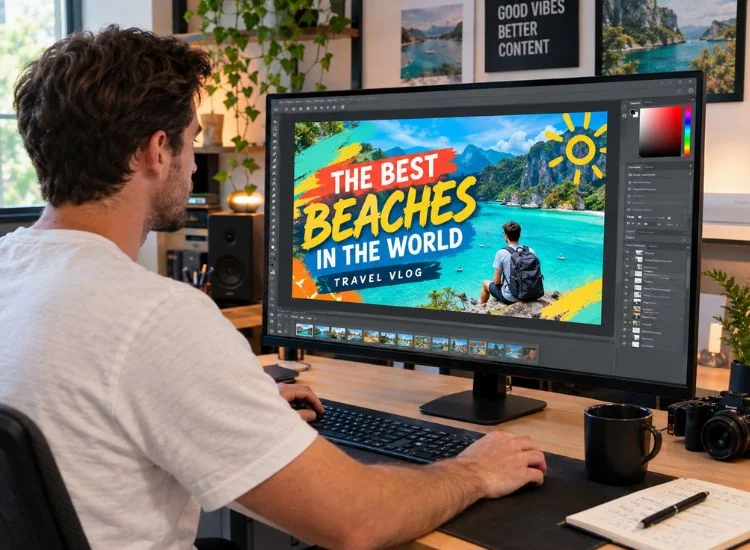
A clickable thumbnail uses bold contrast, a clear focal point, and readable text at a small size, since most viewers see it shrunk down on a phone screen. Avoid cramming more than one idea into a single thumbnail.
Build your YouTube video title around a phrase your audience is actively typing into YouTube's search bar, then layer in curiosity or specificity on top of it. When you're stuck choosing between a search-friendly title and a scroll-stopping one, an AI video title generator is a quick way to test a few angles side by side before you commit to one.
Open with a surprising fact, a stakes-setting question, or a preview of the payoff, delivered in the first 5 to 8 seconds. A strong video hook is what converts an impression into a completed view, which is the metric that actually feeds the algorithm.
YouTube SEO still works because search and recommendations run on overlapping signals. Optimizing your title, description, tags, and closed captions helps YouTube match your video to the right query, which then feeds the watch time data that improves your recommendation odds too.
Tools built for this, like TubeBuddy's SEO Studio, VidIQ, and Google Trends, help you find keyword opportunities and confirm whether a topic is trending before you commit hours to producing it. Use them to validate a topic, not to replace the judgment of knowing your own audience.
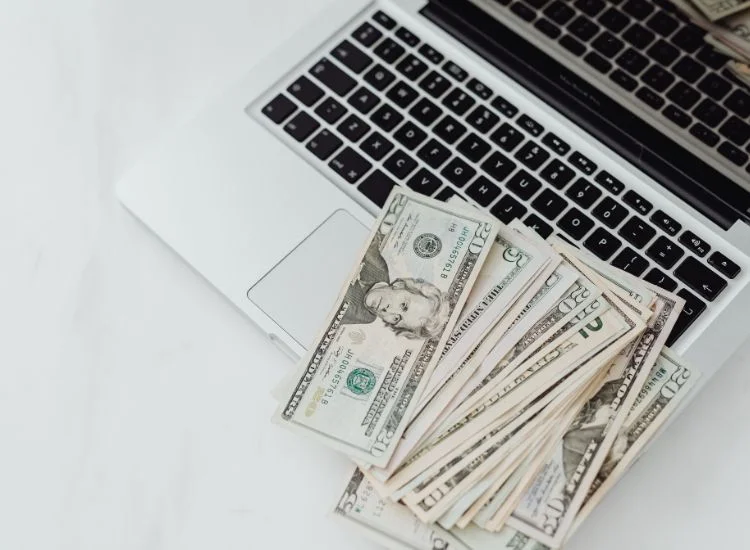
Monetization remains one of the hardest challenges for YouTubers, and the data backs that up: 58.3% of creators report facing recent difficulty monetizing their content, according to a survey of 1,500 monetizing creators (The Future of the Creator Economy Report 2024, Epidemic Sound).
YouTube's Partner Program requires at least 1,000 subscribers and 4,000 public watch hours in the past 12 months. Clearing that bar takes consistent uploads and content that earns full watches, not just clicks.
Most sustainable creator incomes come from combining two or three of these rather than relying on ad revenue alone.
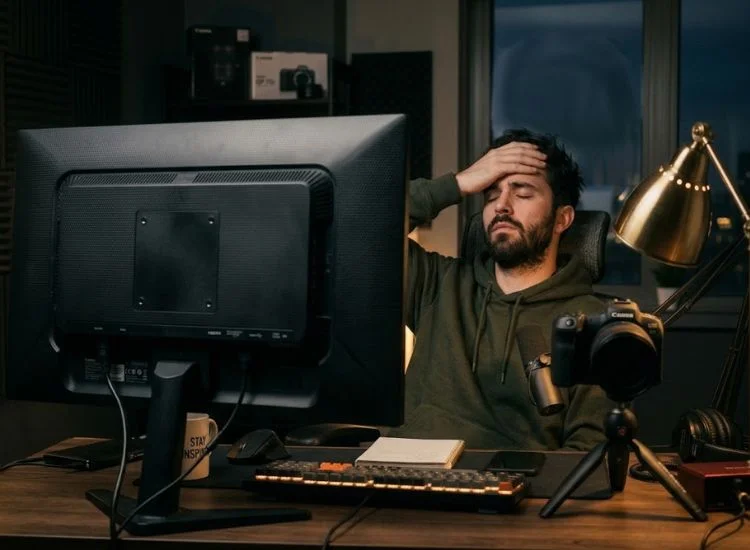
Creator burnout is rising because the pressure to post often collides with the reality that quality content takes real time to plan, film, and edit. Burnout isn't a motivation problem. It's usually a production-system problem.
Set realistic upload goals based on your actual production time, not an aspirational schedule. Batch-writing scripts with an AI video script generator means you're not starting from a blank page every session, and reading off a teleprompter instead of memorizing lines from scratch cuts retake time on its own. Delegate editing or thumbnail design once your channel can support it.
One creator who made that switch put it simply:
"Teleprompter.com has been a game changer for my YouTube channel. I can easily read what I want to say while keeping eye contact with the viewers. You can get the help of AI or write your own script. Highly recommend for anyone wanting to create a successful YouTube channel." — 🌸Authentic🌸, App Store review, United States, March 2026
The creators who keep growing through algorithm changes, monetization plateaus, and burnout risk aren't the ones with the most talent. They're the ones who've built a repeatable production process for content creation: scripted hooks, a sustainable upload cadence, and tools that cut the friction out of filming so more of your energy goes into the content itself, not the logistics around it.
The biggest challenges are getting discovered, earning consistent watch time, and building engagement that signals value to the algorithm. Creators also struggle with choosing a clear niche, producing high-quality videos on schedule, and adapting when YouTube's ranking factors shift.
It's hard to grow on YouTube because viewer attention is limited and competing videos often target the same topics. YouTube also tests content quickly, so weak click-through rates or early drop-offs can stop a video from spreading, even if the idea is strong.
You can improve discovery by choosing searchable topics, using relevant keywords in your title and description, and creating thumbnails that match viewer intent. Pair this with strong hooks and structured pacing so viewers stay longer, which increases your chances of appearing in recommendations.
Beyond YouTube specifically, most content creators struggle with time-intensive production, creative burnout, and staying consistent while managing multiple platforms. Many also deal with editing fatigue, on-camera confidence issues, and the pressure of measuring progress through views and subscriber counts.
You need at least 1,000 subscribers and 4,000 public watch hours in the past 12 months to join the YouTube Partner Program. Focus on a consistent upload schedule and content that earns full watches, since watch hours accumulate faster when viewers stay for the entire video.


.png)


.png)