

If you want to start vlogging, one of the first things to figure out is what kind of vlog you want to make.
Vlogging also sits on top of a platform people use heavily. In 2025, Pew Research Center reported that 84% of U.S. adults use YouTube, making it the most widely used online platform Pew tracks. Pew also found that 33% of U.S. adults say they use YouTube several times a day, which shows how often people return to the platform.
That choice affects everything. It shapes your content plan, filming style, editing pace, audience expectations, and how you show up on camera. It also makes your channel easier to understand from the start.
Many new creators begin with a general idea of posting videos on YouTube, but they do not always define their format. That can lead to a mix of uploads that feel disconnected.
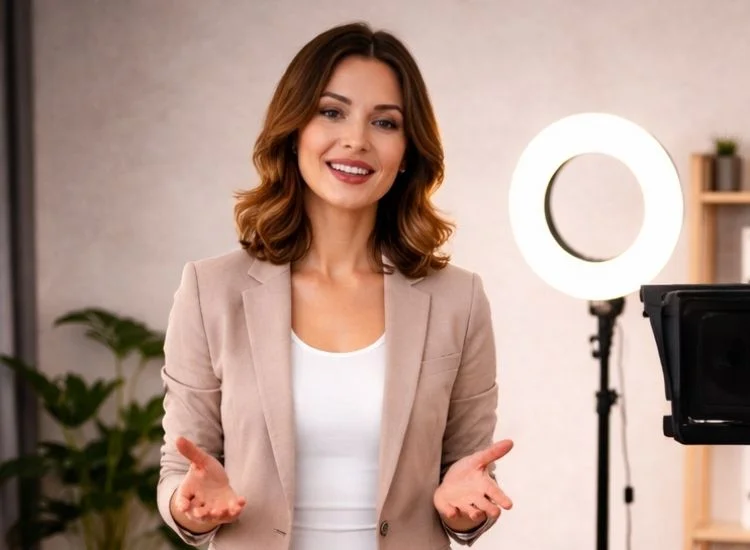
A vlog, or video blog, is a video-based piece of content that shares a person’s experience, perspective, process, or knowledge. Some vlogs are casual and personal. Others are more structured and informative.
Most vlogs include a few core elements:
A vlog does not need to be complicated. It does need direction. That is where choosing a category helps.
New to video blogging? Here’s a guide to understanding what a vlog is, how it works, and why creators use this format.
When you understand the main vlog categories, it becomes easier to build a content strategy that makes sense.
A clear format helps you:
It also helps viewers know what they are subscribing to. A channel with a defined style feels more reliable than one that changes direction every upload.
Below are the most common types of vlogs on YouTube and other video platforms.
Daily vlogs document everyday life. They usually follow the creator through normal activities such as getting ready, working, running errands, meeting friends, or ending the day with a recap.
This format often feels casual and personal. It works best for creators who are comfortable sharing parts of their routine and turning ordinary moments into watchable content.
Best for:
What viewers expect:
What makes it work:
The strength of a daily vlog usually comes from personality, pacing, and structure. Even simple footage feels more engaging when the creator gives viewers a reason to keep watching.
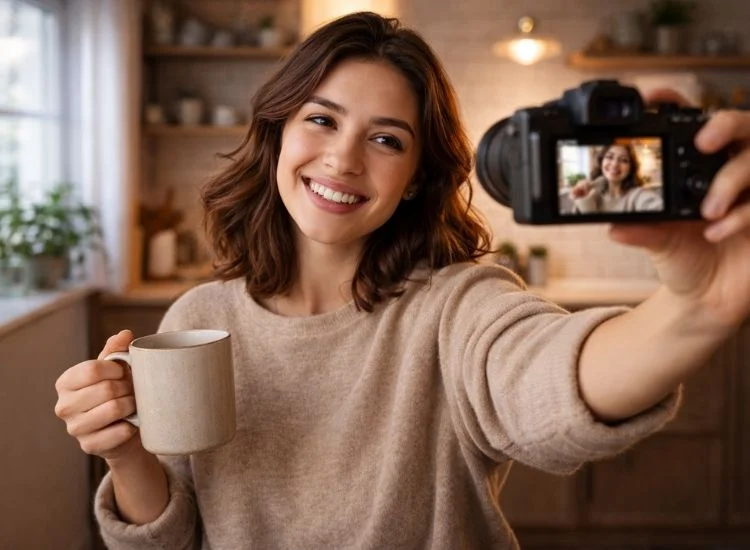
Lifestyle vlogs focus on habits, routines, interests, and personal preferences. They often center on wellness, productivity, home life, style, or self-improvement.
This type of vlog is less about documenting every hour of a day and more about presenting a specific part of someone’s lifestyle.
Best for:
What viewers expect:
What makes it work:
Lifestyle vlogs tend to perform well when the creator has a consistent tone, visual style, and point of view.
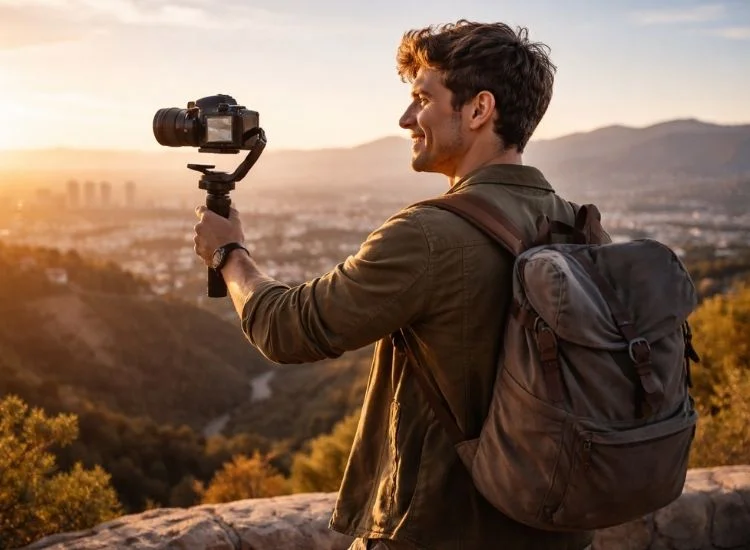
Travel vlogs capture trips, destinations, local discoveries, and movement from one place to another. Some travel creators focus on cinematic storytelling. Others focus on practical advice, budgets, itineraries, or local experiences.
Travel vlogs can be built around long trips or simple outings close to home.
Best for:
What viewers expect:
What makes it work:
A good travel vlog does more than show pretty footage. It gives viewers a reason to care about the experience, the route, the lesson, or the story.
Educational vlogs teach, explain, or guide. They are built around helping viewers understand a topic, learn a skill, or solve a problem.
This format is especially useful for creators who want to grow through search and answer-focused content.
Best for:
What viewers expect:
What makes it work:
The strongest educational vlogs stay focused, structured, and easy to follow. This is also one of the vlog types that benefits most from scripting or using a teleprompter app.
Behind-the-scenes vlogs show how something gets made. That could mean filming a product shoot, setting up a podcast, planning a campaign, editing a video, or preparing for an event.
This type of content gives viewers access to a process they do not usually see.
Best for:
What viewers expect:
What makes it work:
Viewers like this format because it feels real. It shows the effort behind the final result and often builds trust with the audience.
Business vlogs document work life, growth, operations, client projects, and the daily reality of running a brand or service. They can overlap with behind-the-scenes content, though they are usually more focused on strategy, work structure, and business decisions.
Best for:
What viewers expect:
What makes it work:
Business vlogs do well when the creator gives clear lessons or useful context, not just surface-level updates.
Tech vlogs focus on gear, software, setups, digital tools, and creator workflows. Some are centered on reviews. Others focus on testing, comparisons, or daily use.
This category attracts viewers who want help making a decision or improving how they work.
Best for:
What viewers expect:
What makes it effective:
Good tech vlogs explain not just what something is, but how it fits into a real workflow.
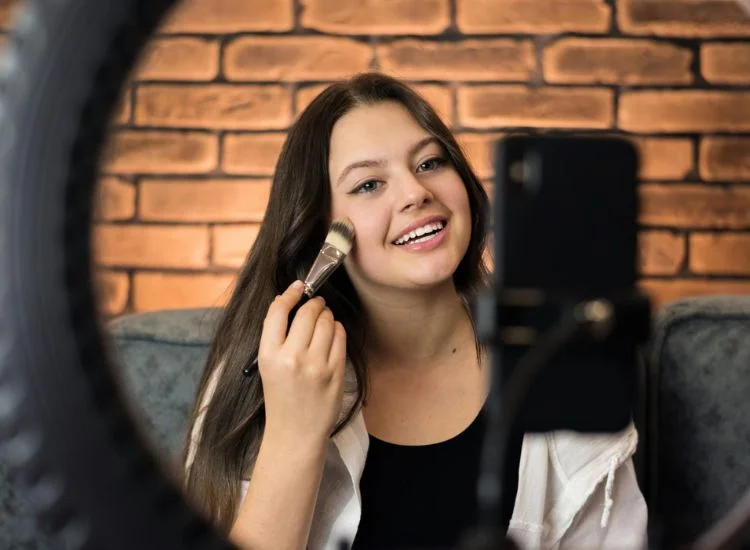
Beauty and fashion vlogs focus on personal style, skincare, hair, makeup, wardrobe planning, and product testing. These videos usually rely on visual detail, direct commentary, and trust between the creator and the audience.
Best for:
What viewers expect:
What makes it work:
This format works best when the creator has a clear taste, consistent style, and helpful commentary.
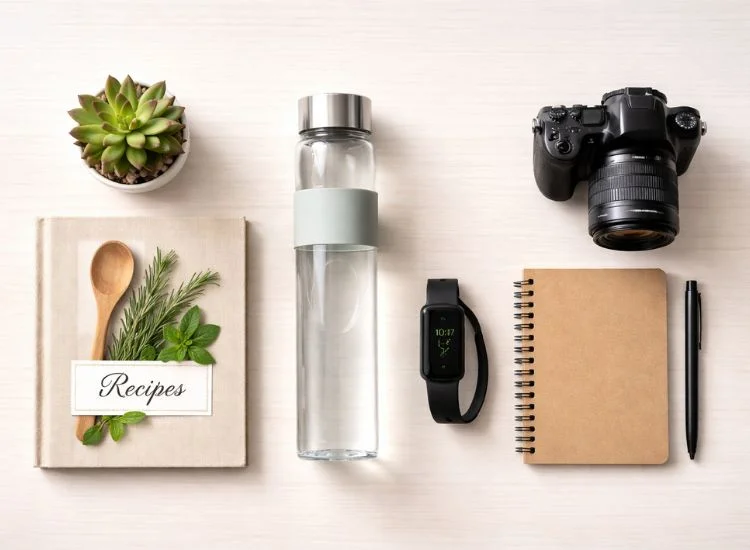
Food vlogs center on cooking, meals, recipes, taste tests, restaurant visits, grocery shopping, or food culture. Some are instructional. Others are more experience-based.
Food content can be simple to produce and easy for viewers to enjoy.
Best for:
What viewers expect:
What makes it work:
A food vlog becomes stronger when the creator adds context, reaction, or practical value instead of relying only on visuals.
Fitness and wellness vlogs follow routines, workouts, habits, progress, recovery, and general well-being. They can be instructional, motivational, or documentary in style.
This category often builds a loyal audience because viewers return for consistency and accountability.
Best for:
What viewers expect:
What makes it work:
Strong fitness and wellness vlogs feel specific, practical, and honest.
Family and parenting vlogs show home life, routines, milestones, activities, and lessons from raising children. These can be warm, practical, and highly relatable for the right audience.
Best for:
What viewers expect:
What makes it work:
The best family vlogs balance openness with privacy and keep the content respectful and intentional.
Entertainment and reaction vlogs are built around responses, commentary, challenge formats, pop culture moments, or creator personality. These are often fast-paced and designed to spark engagement.
Best for:
What viewers expect:
What makes it effective:
This format works best when the creator adds a distinct voice instead of relying only on the trend itself.
Some creators build their channel around one interest, such as books, art, gaming, photography, gardening, music, or cars. This is one of the easiest ways to create a clear niche.
These vlogs can include reviews, personal updates, routines, or skill progress tied to one interest area.
Best for:
What viewers expect:
What makes it work:
This category is strong because it gives a channel a built-in identity from the beginning.
The best vlog format is not the one that looks popular. It is the one you can create well and sustain over time.
Here are a few ways to choose the right fit.
Think about what you do best on camera.
Are you good at:
Your natural strengths can point you toward the right format faster than trends can.
A travel vlog may sound exciting. It may not be realistic if you only travel a few times a year.
A business vlog, educational vlog, or lifestyle vlog may be easier to maintain because the content is already part of your week.
Consistency matters more than novelty when building a channel.
Ask what your viewers would actually want from you.
A beauty audience may want honest product context and routine-based content. A business audience may want practical lessons and process breakdowns. A tech audience may want clear explanations and tested opinions.
The more aligned your format is with viewer expectations, the easier it becomes to build momentum.
Different vlog styles support different goals.
Yes, but the mix should make sense.
A channel can combine related formats without confusing viewers. A creator might blend:
That usually works because the audience overlap is clear.
Problems start when the channel jumps between unrelated categories with no shared theme. If one upload is a skincare routine, the next is a gaming setup, and the next is a business lesson, viewers may not know what to expect.
A smart way to avoid that is to build around two or three content pillars that fit together naturally.
The easiest vlog types for beginners are usually the ones that are simple to film and easy to repeat.
These often include:
These formats work well because they do not always require travel, complex production, or a large budget. They also help creators build confidence on camera through repetition.
If you want stronger search visibility, focus on vlog formats that answer clear questions or support helpful content.
These often include:
Search-friendly vlog content usually performs best when the topic is specific, the title is clear, and the creator gets to the point early.
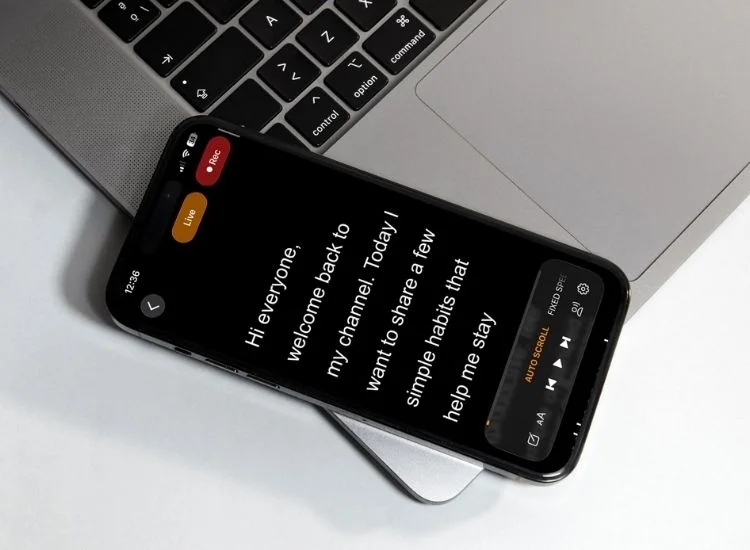
Many vlog types include direct-to-camera segments. That is often where creators lose time. They pause, repeat themselves, forget key points, or record too many takes trying to sound natural.
A teleprompter app helps you stay focused while keeping your delivery clear and steady. It is especially useful for:
You do not need to script every word. In many cases, a short outline with clean transitions is enough to improve delivery, reduce retakes, and make filming easier.
Teleprompter.com gives creators a simple way to keep their delivery smooth and their message clear. For vloggers who want fewer retakes and a more confident recording flow, it is easy to get started with a free account.
A lot of creators pick a format based only on what seems popular. That can lead to burnout or inconsistent uploads.
Here are a few common mistakes:
The best way to choose from the many types of vlogs is to look at your strengths, your routine, your audience, and your long-term goal.
A vlog format gives your channel structure. It helps you create with more focus and makes it easier for viewers to understand what they will get from your content.
Start with one or two clear formats that fit naturally with your life and content style. Build consistency first. Then refine your approach as you learn what your audience responds to.
If you already know the kind of vlog you want to make and need help choosing actual topics, your next step is to explore vlog ideas for beginners. That article will help you turn your chosen format into specific videos you can film.
If you want your delivery to feel smoother on camera, Teleprompter.com can help you script talking points, stay on track, and record more polished videos with less effort.
The main types of vlogs include daily, lifestyle, travel, educational, business, tech, food, beauty, fitness, family, and behind-the-scenes vlogs. Each type suits a different content style, audience, and goal.
Daily vlogs, lifestyle vlogs, travel vlogs, and gaming or entertainment-led vlogs are among the most popular because they are easy to follow, highly repeatable, and often personality-driven. Popularity can still vary by niche and platform.
Lifestyle, daily, educational, and hobby-based vlogs are often best for beginners because they are easier to film consistently and do not always require travel, advanced gear, or complex editing.
Choose a vlog type based on what you can film often, what your audience wants, and how you naturally communicate on camera. A format that fits your routine is usually easier to sustain and grow.
Yes, one channel can mix different vlog types if they support the same theme or audience. A clear content focus helps viewers understand what to expect and makes the channel feel more consistent.


.png)


.png)