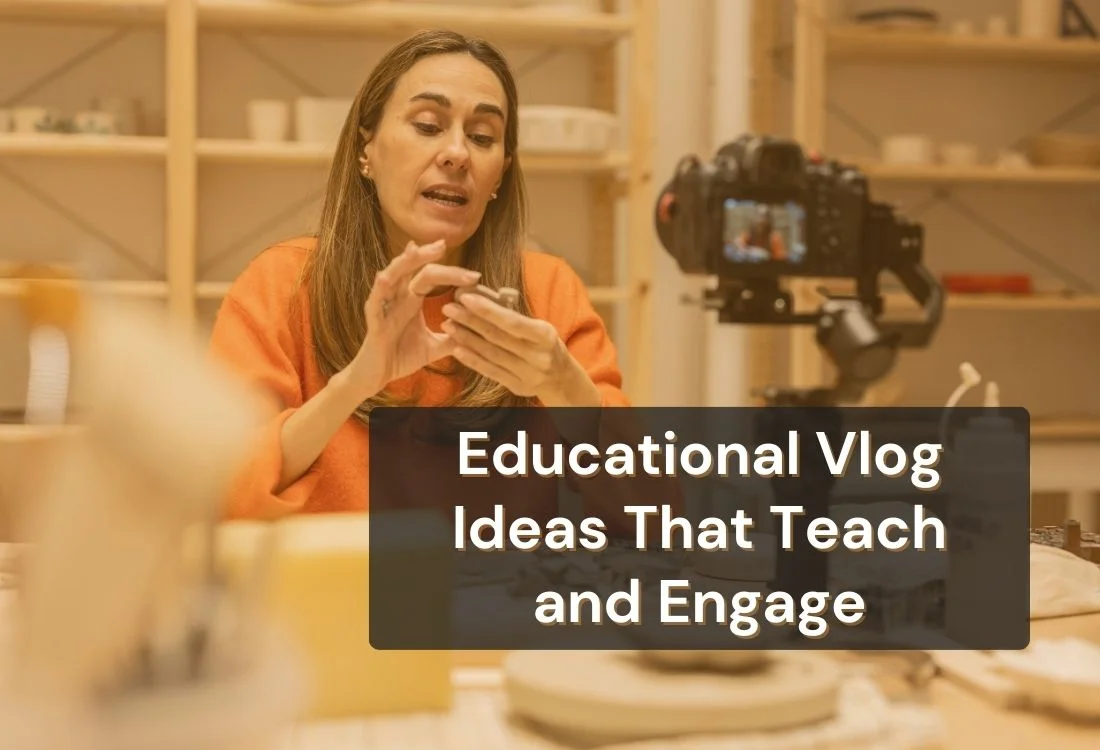


Educational vlogs continue to grow because people actively search for content that helps them learn something useful. Viewers want videos that explain ideas clearly, show real processes, and teach skills they can apply right away. Educational vlog ideas work best when they balance teaching with clear storytelling and practical examples.
This guide breaks down what educational vlogs are, why they work, and how creators can use them across platforms. It’s designed for educators, creators, brands, and beginners who want to teach through video without overcomplicating the process.
Educational vlogs are videos created to teach, explain, or guide learning. They focus on sharing knowledge rather than documenting daily life for entertainment alone. These videos often include explanations, demonstrations, or reflections that help viewers understand a topic better.
Educational vlogs can cover academic subjects, practical skills, career advice, or everyday life lessons. The common goal is simple. Viewers should learn something clear and useful by the end of the video. Educational vlogs often follow the same structured approach used in instructional video formats, where information is delivered step by step to support learning.
Educational vlogging continues to grow because video matches how people prefer to learn. TechSmith research (2024) shows that 83% of people prefer watching instructional and informational video content over reading text or listening to audio. This preference makes video a strong format for teaching and explanation.
Video allows creators to explain ideas clearly using visuals, examples, and step-by-step guidance. Viewers can see processes in action and follow along at their own pace. This reduces confusion and improves understanding.
Many learners also turn to informal education through platforms like YouTube and short-form video apps. Educational vlogs meet this demand by making learning accessible, practical, and easy to follow.
This guide is useful for:
If you explain ideas on camera, educational vlog ideas apply to you.
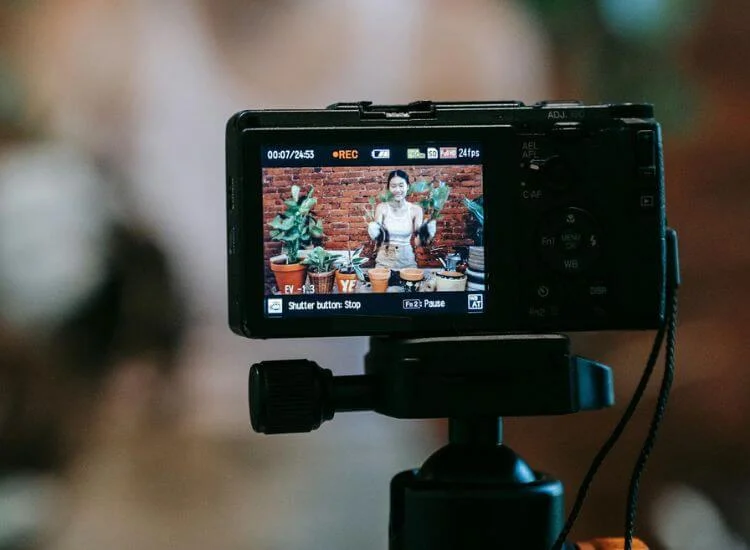
Educational vlogs teach with purpose. They don’t just show what happened. They explain why it matters.
Educational vlogs can still be engaging. Storytelling, personal examples, and clear visuals help keep attention. The key difference is intent. The video teaches something specific.
Many educational vlogs also use the same principles found in explainer videos by focusing on clear explanations that simplify complex ideas.
Strong educational vlogs usually include:
Viewers expect to:
Academic and study-based educational vlogs focus on helping viewers understand subjects more clearly and study more effectively. These videos work best when they combine explanation, structure, and realistic study habits that viewers can apply to their own learning.
Study-with-me vlogs show real, focused study time while guiding viewers on how to stay productive. These videos often include quiet background music, timed study blocks, and short breaks.
To add educational value:
These vlogs help viewers build better study habits while feeling supported during their own study time.
These vlogs focus on making complex topics easier to understand. Instead of using technical language right away, creators explain ideas using examples, comparisons, and everyday language.
Effective videos in this format:
This approach works well for subjects like math, science, history, and economics, where clarity improves understanding.
Exam prep vlogs help viewers organize their studying before tests or assessments. These videos focus on strategy rather than memorization.
To increase usefulness:
These vlogs help reduce stress and give viewers a clear plan for preparing.
“How I study” vlogs explain personal study systems rather than just showing them. The goal is to help viewers understand what works and why.
Strong study routine vlogs:
These videos feel relatable and practical. Viewers can adapt the methods to fit their own schedules and learning styles.

Skill-based educational vlogs focus on teaching viewers how to do something step by step. These videos work best when they show the process clearly and explain decisions along the way. Viewers watch these vlogs to learn skills they can practice right after the video ends.
Step-by-step tutorials guide viewers through a skill from start to finish. Each step builds on the previous one, which helps reduce confusion and mistakes.
To make these tutorials more effective:
This format works well for skills like coding, graphic design, video editing, writing, and technical workflows.
These vlogs document the full learning journey, from beginner to improvement. Instead of teaching as an expert, the creator learns alongside the viewer.
Strong learning-from-scratch vlogs:
Viewers find this format relatable and motivating because it shows realistic learning rather than perfect results.
Mistake-focused vlogs help viewers save time and avoid frustration. These videos explain common errors and show better alternatives.
To add value:
This format builds trust and positions the creator as helpful and practical rather than critical.
Tool walkthroughs teach viewers how to use software, apps, or equipment clearly. These videos focus on real use cases instead of listing every feature.
Effective walkthroughs:
These vlogs work well for creative tools, productivity apps, and technical equipment where clear guidance improves results.

Career and professional educational vlogs help viewers understand how work actually functions in real settings. These videos focus on clarity, realistic expectations, and skills people can apply to their own careers.
Day-in-the-life vlogs show what different jobs look like in practice. Instead of highlighting only the highlights, these videos walk through real tasks, routines, and responsibilities.
To make these vlogs educational:
These videos help viewers decide if a career matches their interests and strengths.
Career path vlogs break down how people move from entry-level roles to more advanced positions. They explain progression in a clear and realistic way.
Strong videos in this format:
These vlogs reduce confusion for viewers exploring career options or planning next steps.
These educational vlogs focus on preparing viewers for job applications. Instead of generic advice, creators share practical examples and explain why certain approaches work.
Effective topics include:
Clear explanations help viewers feel more confident and prepared.
Workplace skill vlogs teach abilities that apply across many roles. These skills often affect career growth as much as technical knowledge.
Useful topics include:
These vlogs help viewers improve how they work, not just what they do.
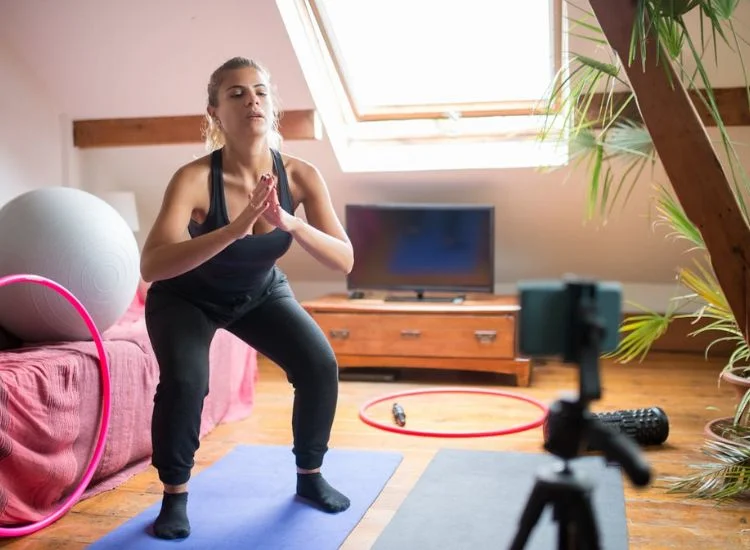
Educational lifestyle vlogs focus on learning through daily actions and decisions. These videos explain not just what happens, but why it matters. When lifestyle content includes reflection and explanation, it becomes useful and educational for viewers.
These vlogs document the process of learning a new skill or habit over a set time period. The focus stays on progress, challenges, and lessons learned rather than results alone.
To make this format educational:
Viewers learn realistic expectations and see how consistent effort leads to improvement.
Routine-based vlogs become educational when creators explain the reasoning behind their habits. Instead of just showing a schedule, these videos break down why certain routines support learning, focus, or productivity.
Strong routine vlogs:
This format helps viewers build systems they can adapt to their own lives.
Behind-the-scenes vlogs show how creative or technical projects move from idea to completion. These videos teach processes rather than just showcase results.
To add value:
Viewers gain insight into how work actually gets done, which builds understanding and trust.
Habit-building vlogs focus on forming and maintaining routines over time. These videos explain how habits develop and what helps them stick.
Effective habit-building content:
This format helps viewers learn how habits form and how to maintain them in real life.
Personal finance and life skills educational vlogs focus on everyday knowledge people use regularly. These videos work best when they explain topics clearly and avoid complex language. Viewers watch this type of content to feel more confident managing daily responsibilities.
Budgeting vlogs teach viewers how to manage their money in a clear and realistic way. These videos often explain how to track income, control spending, and set savings goals.
To add value:
This format helps viewers develop healthier money habits without feeling overwhelmed.
Many people struggle with financial topics because they sound complicated. Educational vlogs can break these ideas down using everyday examples.
Strong videos in this format:
Topics like credit, taxes, and investing become easier to understand when explained step by step.
Time management vlogs teach viewers how to plan their day and balance responsibilities. These videos focus on systems rather than quick fixes.
Effective topics include:
Clear explanations help viewers build routines that support both work and personal life.
Adulting vlogs cover practical skills people often learn through experience rather than formal education. These videos teach essential tasks clearly and without judgment.
Useful topics include:
These vlogs help viewers feel more capable and prepared for everyday life.

Creative and cultural educational vlogs help viewers understand art, stories, and traditions more deeply. These videos explain meaning, context, and process so viewers can appreciate creative work beyond what they see on the surface.
Breakdown vlogs analyze creative works by explaining how and why they were made. Instead of reviewing content casually, these videos teach viewers how to observe details and techniques.
To add educational value:
These vlogs help viewers develop critical thinking and a deeper appreciation for creative work.
Book-focused educational vlogs explain ideas, themes, and messages in written works. These videos go beyond summaries by helping viewers understand why the content matters.
Effective book analysis vlogs:
This format works well for students, readers, and lifelong learners.
Cultural educational vlogs teach viewers about traditions, customs, and historical events with clear context. These videos focus on understanding rather than memorization.
Strong cultural vlogs:
This approach helps viewers learn respectfully and accurately.
Creative process vlogs explain how ideas turn into finished work. These videos focus on planning, experimentation, and revision.
To make them educational:
These vlogs teach viewers how creative thinking works in practice and help demystify the creative process.
Different platforms support different learning styles. YouTube works well for educational vlogs that require more time, structure, and explanation. Viewers often visit YouTube with the intent to learn something in depth.
YouTube supports longer videos where creators can explain topics clearly and in an organized way. These formats work best when lessons are planned and delivered step-by-step.
Long-form explainer vlogs break down topics in detail. These videos allow creators to introduce a subject, explain key points, and summarize lessons in one place.
Longer tutorials and walkthroughs benefit from clear structure and pacing, especially when creating long-form video content that requires sustained viewer attention.
To add value:
This format works well for complex subjects that need more time and clarity.
Case study vlogs analyze real situations, projects, or examples. These videos teach by showing how concepts apply in practice.
Strong case study vlogs:
Viewers benefit from seeing how theory turns into real outcomes.
Document-style educational vlogs combine storytelling with teaching. These videos follow a narrative while explaining ideas, processes, or events.
Effective documentary-style vlogs:
This format keeps viewers engaged while supporting deeper understanding.
Short-form platforms focus on quick learning moments. Viewers expect clear value within seconds, so educational vlogs on these platforms need strong focus and simple delivery. Each video should teach one idea clearly without extra detail.
One-tip lesson vlogs focus on a single, useful idea. These videos work well because viewers know exactly what they will learn.
To make these videos effective:
This format works well for study tips, productivity advice, and skill shortcuts.
These vlogs simplify complex ideas into short explanations. The goal is not to cover everything but to help viewers understand the core concept.
Strong quick-explanation videos:
This format helps viewers grasp difficult topics quickly and encourages them to learn more.
Myths vs facts vlogs correct common misunderstandings. These videos attract attention because they challenge what people think they know.
To add educational value:
This format builds trust and helps viewers replace confusion with clear understanding.

Many vlogs become educational with a few small changes. When creators explain their actions and decisions, viewers gain understanding instead of just watching events unfold. Starting with broader video format ideas can also help you choose an approach that is easier to shape into something useful and instructional.
Context turns activity into learning. Instead of only showing what you are doing, explain why it matters.
To add educational value:
This helps viewers connect actions to learning rather than observation alone.
Educational vlogs feel easier to follow when they have a clear structure. A simple beginning, middle, and end helps guide learning.
A natural structure includes:
This approach keeps viewers oriented and focused.
Visual support improves understanding. Simple visuals and captions reinforce spoken explanations and help viewers follow along.
Effective support tools include:
These elements reduce confusion and support different learning styles.
Educational vlogs work best when viewers feel encouraged to apply what they learned.
Ways to support learning:
This helps learning continue beyond the video.
Educational vlog ideas give creators many ways to teach, explain, and share useful knowledge through video. From academic topics to life skills, clear structure and simple explanations help viewers learn without confusion.
Starting with what you already know makes educational vlogging easier and more natural. Testing formats, refining delivery, and staying curious help content improve over time.
For creators who want support with structure and on-camera clarity, tools like Teleprompter.com can help guide scripts while maintaining steady eye contact. This approach supports clearer teaching and smoother recording without changing your style.
Plan one clear learning goal, outline key points, and explain the topic step by step on camera. Keep language simple and pacing steady.
A good first vlog explains a topic you know well and can teach clearly. Short, focused videos help build confidence and consistency.
Yes. Educational videos perform well on YouTube because users search for answers, tutorials, and explanations they can trust.
Most educational videos perform best between 5 and 10 minutes. Shorter videos help viewers stay focused on one concept.
An effective educational vlog has a clear structure, simple explanations, and confident delivery. Viewers should understand the lesson without rewatching.


.png)


.png)