

Engaged views are counted when a viewer watches past the first frame of your video or clicks to start watching, and starting August 24, 2026, that metric matters more than ever. YouTube now counts public views from the first frame forward, which means view counts will rise. But engaged views stay the stricter number tied to your earnings, and that number is decided in the opening moment of your video.
YouTube's public view count now includes every viewer who sees the first frame of your video, whether they watch further or not. That's the change, stated plainly: the public number gets bigger, not smaller.
Here's where a lot of creators are getting confused. Some early coverage framed this as views becoming engaged views, as if the stricter standard now applied everywhere. That's backwards. The public view count loosened. Engaged views are the separate, stricter metric that YouTube kept in place specifically for measuring real audience attention.
A view now counts from the first frame, whether or not the viewer keeps watching.
An engaged view counts only when a viewer watches past that first frame, or actively clicks to start the video. This is the number that reflects whether someone actually chose to watch your content.
As of this writing, YouTube's own Help Center page describing engagement metrics still reads in future tense. Neither the Creator updates page nor the YouTube Analytics API revision history lists an entry for this change. That's worth knowing if you're trying to verify any claim about this update, including this one: check the effective date YouTube announced, not whether the change has visibly shown up in your dashboard yet.
If you're wondering whether this affects your monetization, the short answer is no, not directly. Engaged views remain the basis for qualifying and earning through the YouTube Partner Program. Your public view count rising doesn't change your revenue. What matters is whether people stick around past that first frame.
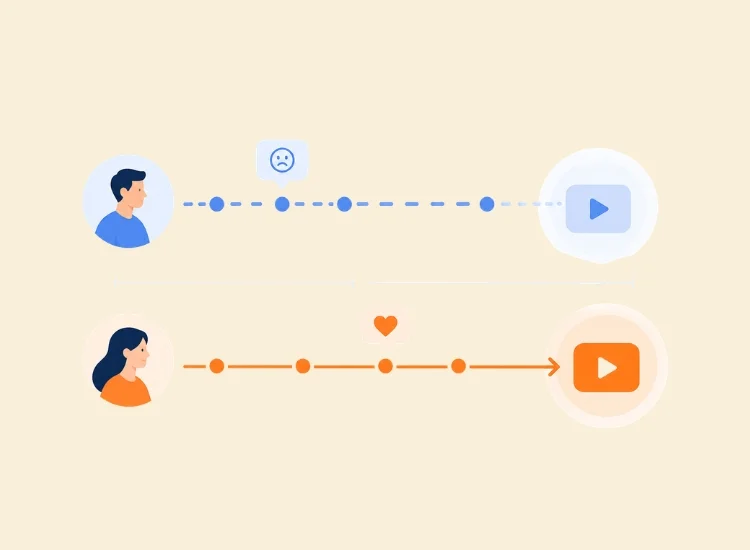
This table is the whole story in one place: your public numbers go up, but your paycheck depends on the metric that didn't move.
Since engaged views depend entirely on what happens right after that first frame, your opening line carries more weight than it ever has. A viewer who clicks away in the first moment counts as a view under the new rule, but never becomes an engaged view. That gap, between raw views and real engagement, is decided by how you open.
If you stumble over your first sentence, forget where you're going, or hesitate before the camera, you're not just losing polish. You're losing the exact moment that determines whether a viewer becomes an engaged view. A shaky opening is now a direct cost, not just an awkward few seconds.

A single frame of video lasts a fraction of a second. At 24 frames per second, one frame lasts about 1/24th of a second. At 30 frames per second, it's closer to 1/30th. That's not a YouTube-specific figure, it's simple video math, but it matters here: viewers aren't deciding whether to stay over several seconds. They're deciding in an instant, which means your opening line needs to land immediately, not build up to something.
The fix isn't complicated. A scripted, practiced opening line removes the hesitation that costs you engaged views. Reading your first line off a teleprompter, rather than winging it, means you start strong instead of stumbling into your video.
Want to sharpen your opening line specifically? The guide on how to make a good hook for your video content breaks down what makes viewers stay past that first moment.

The change applies across every format YouTube offers. Long-form videos, Shorts, podcasts, and live streams are all counted from the first frame now.
For long-form video, this means your intro carries the same first-frame stakes as a Short, even if the rest of your video runs much longer.
For Shorts, the stakes are sharper. A Short is mostly first impression, so the opening line does even more work.
Podcasts and live streams count the same way. Whether someone tunes into your livestream or catches your podcast video, the first frame is now the counting point, and the first moment of engagement is still what earns you credit.
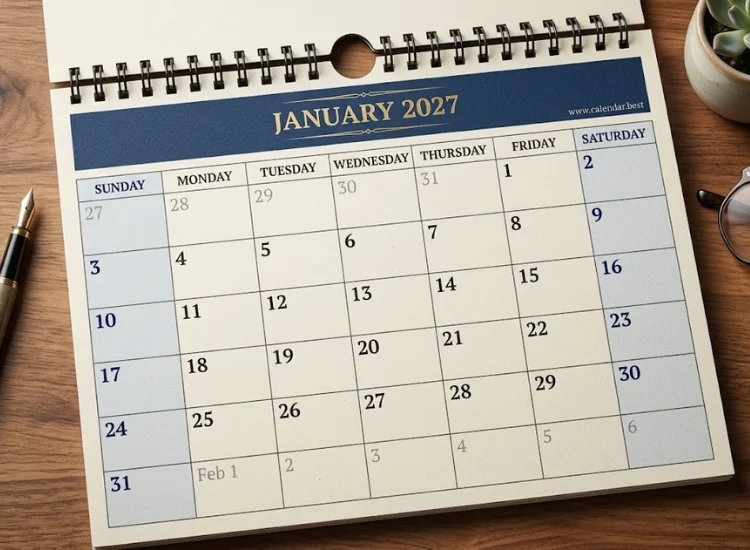
This isn't the only monetization change on the horizon. Starting February 2027, the YouTube Partner Program's eligibility thresholds rise to 8,000 watch hours for long-form content and 20 million views for Shorts. Combined with the engaged views distinction, watch time and real engagement are becoming more central to YouTube monetization, not less.
YouTube's view count just got easier to hit. Engaged views did not. That gap is exactly where your opening line lives, and it's worth treating that first moment with the same care you'd give any other part of your video.
Pair a strong hook with a title that gets the click in the first place. AI video title generator can help you get there.
Yes. Engaged views, not total public views, remain the basis for qualifying and earning through the YouTube Partner Program [1]. A rising public view count doesn't change your monetization on its own.
Starting August 24, 2026, YouTube began counting public views from the first frame of a video, regardless of how much the viewer watches afterward. This naturally increases the public view count.
An engaged view counts when a viewer watches past the first frame of your video, or actively clicks to start watching it. This is separate from the broader public view count.
Yes. The change applies across Shorts, Long Form videos, Podcasts, and Live content.
YouTube's stated effective date is August 24, 2026. As of this writing, YouTube's own Help Center page still describes the change in future tense, and no changelog entry has been published yet [2][3]. The safest approach is to go by the announced effective date rather than assuming the change has visibly appeared in your dashboard.
Yes. Starting February 2027, YPP eligibility thresholds rise to 8,000 watch hours for long-form content and 20 million views for Shorts.
References:
1. YouTube: Engaged Views on YouTube, Explained
2. YouTube Help: Engagement Metrics
3. YouTube Analytics API Revision History
4. Frame duration calculation (24fps and 30fps), Frames to Seconds Calculator, Calculator Academy.
5. Digiday: The winners and losers of YouTube's view count and monetization overhaul.


.png)


.png)