

Behind every successful creator is a well-structured plan, and for vloggers, that plan starts with the script. While it might seem that your favorite YouTubers are effortlessly speaking off the cuff, most rely on carefully written outlines and proven vlog scripting techniques to sound authentic and confident on camera.
In this article, we’ll explore how proper scripting shapes your storytelling, enhances delivery, and helps you connect with viewers. From crafting strong hooks to maintaining natural flow, these practical methods will help you plan, write, and perform videos that engage and retain audiences longer.

A well-written script is less about memorization and more about preparation. It gives your video structure, direction, and flow. With effective vlog scripting techniques, you can organize ideas clearly, stay focused, and speak with confidence.
When vloggers skip scripting, their videos often feel unstructured. The message becomes scattered, pacing uneven, and audience attention drops. A script ensures every segment connects smoothly and delivers value without unnecessary filler.
Here’s why scripting makes a difference:
Many top creators use flexible scripts to stay organized while sounding natural. The goal isn’t to read line by line but to give yourself a reliable framework for better storytelling and smoother performance.
If you’re still deciding how vlogging fits into your creative process, check out our guide on blog vs vlog to understand how each format shapes storytelling and audience connection.
Viewers decide in the first few seconds if they’ll keep watching. Your opening line should instantly grab attention. Start with a bold statement, an emotional trigger, or a relatable problem.
For example:
“I tried recreating a celebrity skincare routine on a budget — here’s what happened.
Hooks like this establish curiosity and set the tone. They also introduce your video’s main promise early. Good vlog scripting techniques ensure your hook aligns with the rest of the content, guiding the viewer through a coherent narrative from start to finish.
Every great vlog tells a story. It doesn’t matter if it’s a product review, a travel video, or a personal update, there’s always a beginning, middle, and end. An organized script ensures each section transitions smoothly.
A simple structure like Problem → Process → Payoff works for most vlog types. You begin by presenting a challenge or question, show the process of solving it, and end with a conclusion or insight. This sequence keeps viewers emotionally invested and makes your message easier to follow.
Even in spontaneous or humorous vlogs, clarity matters. A story that feels natural yet structured is easier to watch, and easier for you to film.
The best vlog scripts read like a conversation. Write as though you’re speaking to one person, not performing for a crowd. Keep the wording natural and avoid stiff phrasing or overly complex sentences.
Read your script aloud as you write. Anything that sounds awkward when spoken usually needs a cleaner rewrite. Natural pauses and contractions help the script sound more real, while filler words should be used with care. For example, instead of saying, “I would like to share with you my thoughts regarding…,” say, “Here’s what I think about…”.
You can also use the Script Readability Analyzer to check sentence length, clarity, and reading level, which helps shape the script for your target audience and keeps the delivery smooth on camera.
A conversational tone strengthens your connection with viewers and makes your delivery feel more authentic. To keep that natural flow while maintaining direct eye contact with the camera, tools such as the teleprompter app can also help.
Set a goal for your video before you write a single line. Are you teaching someone something? Do you want to share an experience? Are you advertising a product? Each goal needs a certain tone and organization.
Short, step-by-step instructions are good for an instructive vlog. On the other hand, a lifestyle vlog does well with stories and making people feel something. At this point, being clear keeps things from getting confusing later and makes sure your message fits with what viewers expect.
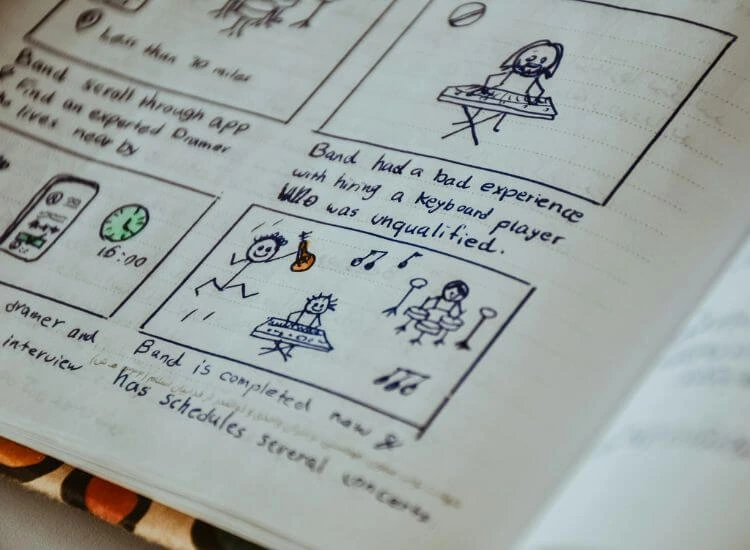
Jumping straight into a full script often leads to unnecessary fluff. Start with a simple outline that highlights your key talking points. This helps you maintain focus and structure while leaving room for personality and spontaneity.
An outline also gives you flexibility. You can adapt or improvise naturally without losing sight of your key points. Think of it as a roadmap, it shows you where to go but leaves room for creativity along the way. With a solid outline, you’ll find it easier to maintain focus, stay concise, and deliver content that feels both structured and authentic.
The most effective vloggers speak to their audience, not at them. Your script should reflect empathy and connection. Use inclusive language like “you” or “we,” and phrase insights as personal advice rather than formal instruction.
For instance, instead of saying, “One should use natural lighting for better visuals,” say, “Try filming near a window — you’ll notice how much better your footage looks.” This direct approach builds trust and encourages engagement.
Scripts aren’t just about words. They should also include camera notes, gestures, and pacing hints. You might write:
These cues help you visualize the final edit and ensure smooth coordination between narration and visuals. They’re especially helpful for editors working with your footage.
Timing is important in vlogging. Audiences have short attention spans, so pacing matters as much as the message. Aim for about 130–150 words per minute, a comfortable pace that feels conversational yet clear.
Read your script out loud and time it. If a section feels too long, condense it. If it feels rushed, expand it with examples or visuals. This step prevents awkward pauses and keeps viewers engaged throughout the video.
Reading naturally from a teleprompter takes practice, but it’s one of the most effective vlog scripting techniques you can learn. The Teleprompter app lets you control scroll speed, mirror text, and adjust layouts to match your speaking pace.
Practicing with a teleprompter improves confidence, eye contact, and overall delivery. It also reduces reshoots since you can stick to your script without losing spontaneity.

Storytelling is what transforms ordinary footage into something memorable. Even informational or tutorial-style vlogs become more engaging when they follow a clear emotional structure. The three-act format — setup, conflict, and resolution — helps keep your story flowing naturally and emotionally connected.
Here’s how you can strengthen your storytelling:
When crafting travel or lifestyle vlogs, a clear narrative makes every clip meaningful. If you’re looking for inspiration to apply these storytelling methods, explore our guide on travel vlog ideas to spark your next filming concept.
Even experienced creators can fall into habits that weaken their videos. Recognizing these issues early helps improve your scripting process and keeps your content engaging from start to finish.
Here are some common mistakes to watch out for:
Avoiding these mistakes helps your vlog scripts sound smoother, feel more natural, and capture your audience’s attention more effectively.

The right tools can make scripting faster, easier, and more organized. They help you plan your content, refine your writing, and maintain consistency across videos. Here are some essentials to include in your workflow:
Effective vlog scripting techniques are more about preparation than memorization. A solid script helps you express ideas clearly, deliver confidently, and engage authentically with your audience. When used correctly, it turns video creation from guesswork into a repeatable, creative process.
Start small: outline your next vlog, practice reading it with a teleprompter, and refine as you go. Over time, scripting will become second nature, and your videos will show it.
To take your skills further, explore the benefits of vlogging and learn how consistent, well-structured content can strengthen your personal brand or creative career.
Want to improve your on-camera flow? Try Teleprompter.com app to perfect your delivery and elevate every video you create.
Yes, most vloggers use scripts or outlines to stay organized and deliver clear, engaging content. It helps them stay focused while sounding natural on camera.
Start with an outline of your key points, write in a conversational tone, and include transitions. Practice reading it aloud to refine pacing and flow.
A 20-minute vlog usually runs about 2,600–3,000 words, depending on your speaking pace and pauses. You can use the script timer tool to estimate your exact duration and adjust your script accordingly.
Yes, vlogging continues to grow in 2026 across YouTube, TikTok, and Instagram, with creators using storytelling and scripting to stand out.
A good vlog script has structure, clarity, and personality. It should guide your story while leaving room for spontaneity and authentic delivery.


.png)


.png)


