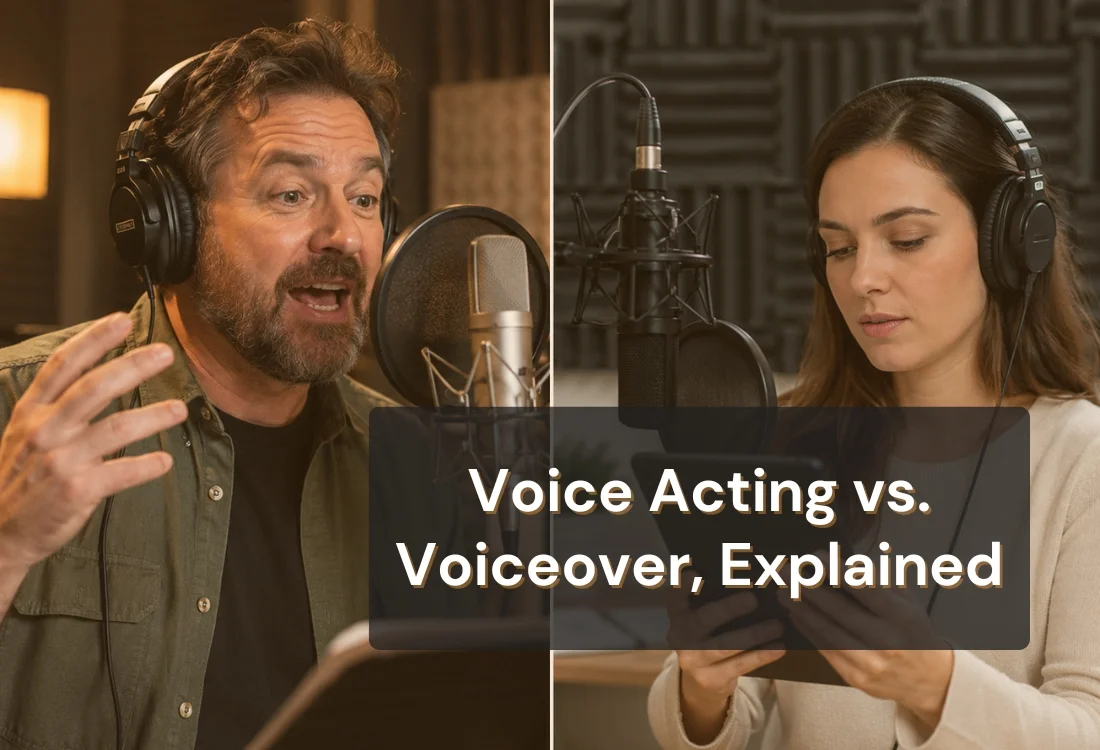
Voice Acting vs. Voiceover: What's the Difference?
By
Teleprompter.com team
Published on:
September 26, 2026
·
Last updated:
Reading time:
7
minutes
TL;DR:
Voice acting means performing a character through voice alone, using emotional range and interpretation. Voiceover means delivering clear, informational narration, like a corporate video or an e-learning module. Both use the same vocal instrument, but they solve different problems: one entertains through performance, the other informs through clarity.
What Is Voice Acting?
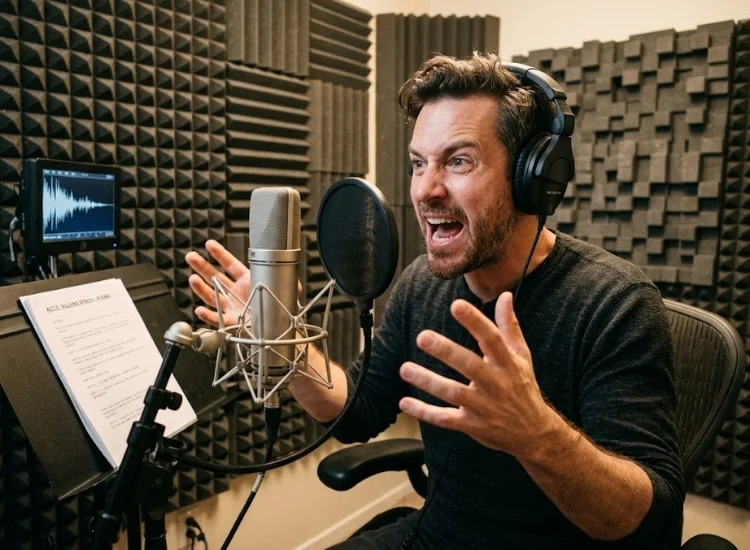
Voice acting is the performance of a character using only your voice. It calls for the same interpretive skills a stage or screen actor uses, minus the visual component. You're building a persona, not just reading text.
Voice acting shows up most often in:
Video games: bringing playable characters and story dialogue to life, often across dozens of emotional states in a single session
Animation: cartoons and animated films where vocal range, comedic timing, and character consistency carry the performance
Character-driven audiobooks: fiction narration that shifts pitch, accent, and pacing to distinguish multiple characters
A voice actor's job is to make you forget you're listening to a recording and start believing in the character.
What Is a Voiceover?
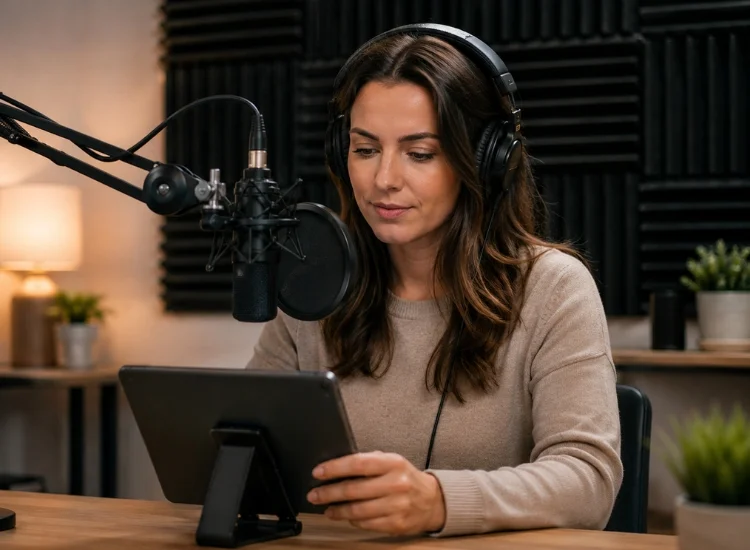
A voiceover is narration added to a video, presentation, or audio piece to inform or guide the listener. The goal is clarity, not character. A great voiceover artist disappears behind the message so the information lands cleanly.
Voiceover work shows up most often in:
Corporate and explainer videos: product walkthroughs, training content, internal communications
E-learning modules: instructional narration built for retention and pacing, not performance
IVR and phone systems: the voice guiding a caller through a menu, built for calm clarity under time pressure
Documentary narration: informative delivery with a warm, credible tone
Where the Line Blurs
Commercials and non-fiction audiobooks don't sit cleanly in either category. A commercial voiceover often needs persuasive energy that borders on performance, and a non-fiction audiobook narrator still needs warmth and pacing that goes beyond flat information delivery. Many working professionals treat these as a bridge between the two disciplines rather than picking a side.
Voice Acting vs. Voiceover: Key Differences at a Glance
With the definitions and gray areas covered, here's the side-by-side breakdown to help you place any project or career decision at a glance.
Voice Acting vs Voiceover: Key Differences
Aspect
Voice Acting
Voiceover
Primary Goal
Entertain through character and emotion
Inform through clarity and consistency
Typical Projects
Video games, animation, character audiobooks
Corporate video, e-learning, IVR, documentary
Core Skill Emphasis
Interpretation, emotional range, character consistency
Diction, pacing, informational clarity
Common Entry Points
Demo reels for casting directors and game studios
Corporate/agency outreach, freelance marketplaces
Mobile tip: Swipe horizontally to view the full table on smaller screens.
Skills Both Disciplines Require
Despite the different end goals, voice acting and voiceover pull from the same foundation. Both roles demand vocal control, solid microphone technique, and the ability to deliver a consistent read across multiple takes.
A few shared fundamentals:
Breath control: sustaining a phrase without running out of air mid-sentence, whether you're narrating a training module or voicing a game character
Script interpretation: reading past the words on the page to understand tone, pacing, and intent before you record
Consistency across takes: matching your energy and pace from the first line to the last, especially on longer projects like audiobooks or multi-part e-learning courses
The global dubbing and voice-over market was valued at $4.2 billion in 2024 and is projected to reach $8.6 billion by 2034 (Dubbing and Voice-over Market Report, Market.us, 2024), which reflects steady demand across both disciplines. Whether you end up doing character work or narration, that growth means more opportunities on both sides of this comparison, not just one.
No camera, no problem
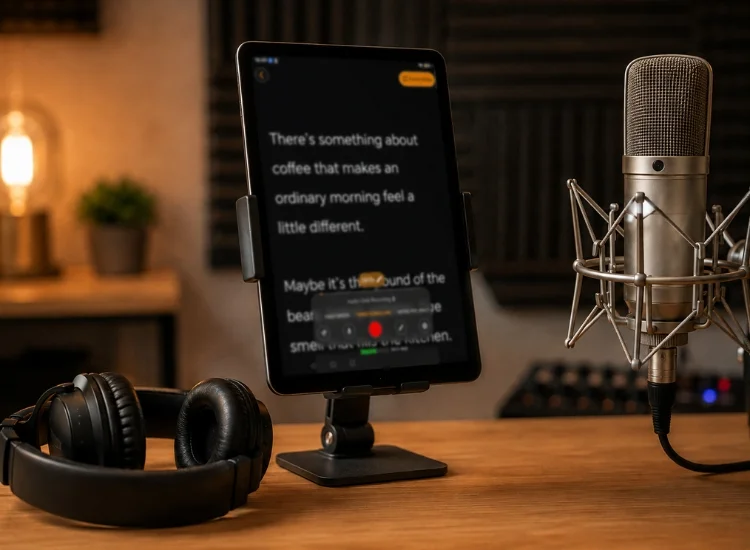
Neither voice acting nor voiceover work needs a camera in the room. Teleprompter.com's audio-only recording mode scrolls your script while capturing clean audio, so you can run lines or narration takes without setting up a single light.
Both paths typically start the same way: build a demo reel, invest in a decent home recording setup, and get comfortable auditioning. The specifics diverge from there. Voice acting usually means auditioning through casting platforms and building relationships with game studios, animation houses, or audiobook publishers. Voiceover work often starts closer to home, through corporate clients, agencies, or freelance marketplaces looking for clear, professional narration.
For a full breakdown of the voice acting career path, including demo reels, auditions, and networking, see the guide to becoming a voice actor. If you're leaning toward voiceover work specifically, the voiceover tips for captivating narrations covers delivery and post-production in more depth.
Pro Tip:
Whichever path you're on, consistency across takes is what separates amateur recordings from professional ones. Teleprompter.com lets you set a fixed scroll speed or scroll manually, so your pace stays steady whether you're running character lines or reading a corporate script.
Which One Should You Pursue?
If you're drawn to character work, storytelling, and emotional range, voice acting will likely feel like a better fit. If you'd rather focus on clear, dependable delivery that serves someone else's message, voiceover work plays to different strengths. Neither path locks you out of the other. Many working professionals move between both depending on the project, using the same core vocal skills but adjusting their approach to match performance or clarity.
Ready to record your next take?
Teleprompter.com gives you audio-only recording, voice-activated scroll, and full offline mode. Read your script, don't memorize it. No studio. No rig. No extra gear.
Not exactly. A voice actor performs characters with emotional range, while a voiceover artist delivers narration focused on clarity and information. Some professionals do both under either title.
Can someone do both voice acting and voiceover work?
Yes. Many professionals work across both disciplines, switching between character performance and narration depending on the project. The core skills overlap enough that crossing over is common.
Which pays more, voice acting or voiceover?
Rates vary widely by project type, usage rights, and experience level in both fields. High-profile game or animation work can pay well, and so can long-term corporate or e-learning contracts. There's no consistent gap between the two disciplines overall.
Do you need formal training for voice acting or voiceover?
Formal training isn't required for either, but coaching accelerates progress in both. Voice acting benefits from acting classes and character work; voiceover benefits from coaching on pacing, diction, and script interpretation.
What equipment do you need to start either one?
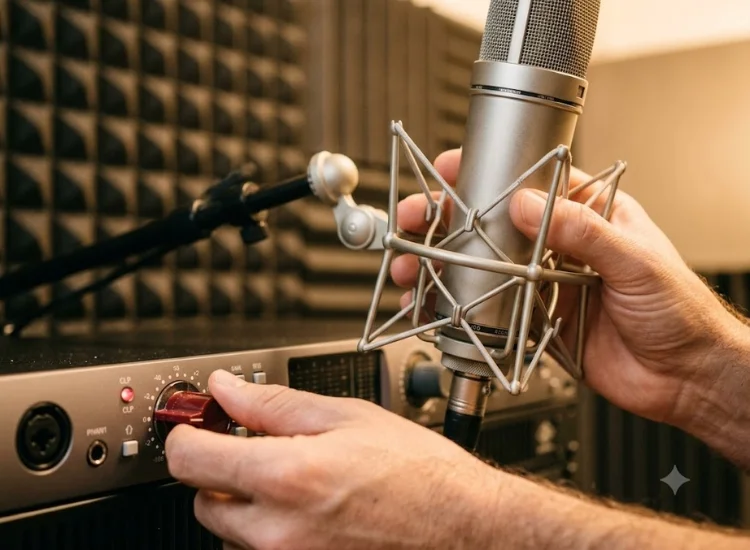
Both need a quality microphone, an audio interface, closed-back headphones, and basic recording software. A treated recording space matters more than expensive gear when you're starting out.
Is voiceover easier to break into than voice acting?
Voiceover often has more accessible entry points, like corporate and freelance marketplace work, while voice acting frequently requires auditions and casting relationships. Neither is easy, but the on-ramps differ.
Recording videos is hard. Try
Teleprompter.com
Recording a video without a teleprompter is like sailing without a compass.




.png)


.png)