

To make a video shareable, focus on seven factors: a scroll-stopping hook in the first three seconds, clean on-camera delivery, a clear emotional or practical payoff for the viewer, platform-native formatting, captions, a scripted share prompt, and consistent publishing. Platform algorithms now prioritize shares and saves over likes, which changes how you should approach every video you record.
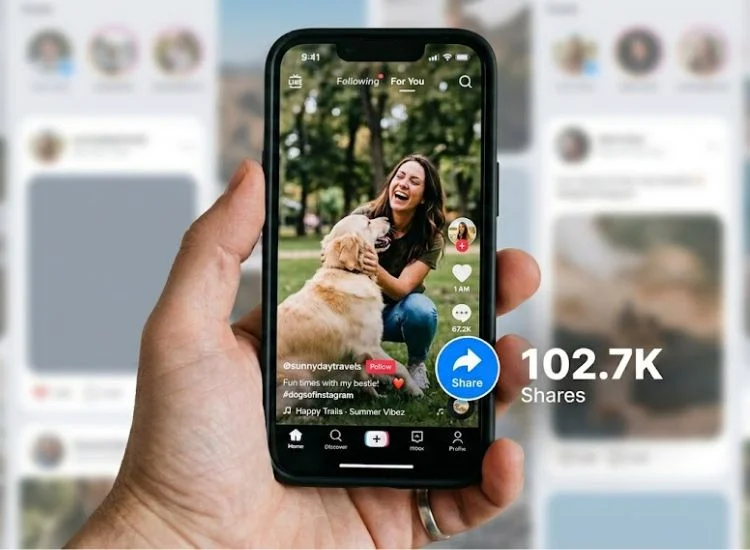
Platform algorithms have shifted. Likes and view counts used to be the primary signals platforms used to decide what content to show more people. That is no longer true.
Video is already the most shared format online. Social media videos earn 1,200% more shares than text and image posts combined (Teleprompter.com Social Media Video Statistics Report). The question is no longer whether to make video. It is what separates the videos that get forwarded from the ones that get scrolled past.
TikTok's engagement rate grew 49% year-over-year in 2025, reaching 3.73% (Socialinsider Social Media Benchmarks, 2026), the highest rate of any major platform. During the same period, TikTok shares grew 45% while comments fell 24%. The platform is showing you exactly what its algorithm values: content that people forward to someone else.
The practical implication is important. A video that gets a lot of likes is not the same as a video that gets shared. Building for shares requires different decisions at every stage of production, beginning with your script and how confidently it is delivered on camera.
Share-worthy content gives the viewer something they want to pass on. That is usually one of three things: a strong emotional reaction, a practical insight their network would benefit from, or an identity signal that says this is relevant enough to send to someone specific.
Most creator content falls short on that third point. It is informative but not personal enough to feel worth sending. Fixing that starts earlier than most creators think: in the script and in how confidently the script is delivered on camera.
A shareable video has to hold the viewer's attention first. Watch time is the first signal every major platform algorithm uses to determine distribution. If viewers click away in the first fifteen seconds, the algorithm restricts the video's reach before anyone has had a chance to share it.
Clean, confident delivery is the upstream driver of every other shareability factor. Stumbled lines, long pauses, and visible rereading moments all drag down watch time. Polished editing can clean up some of that in post, but the cleanest solution is getting the delivery right in the first place.
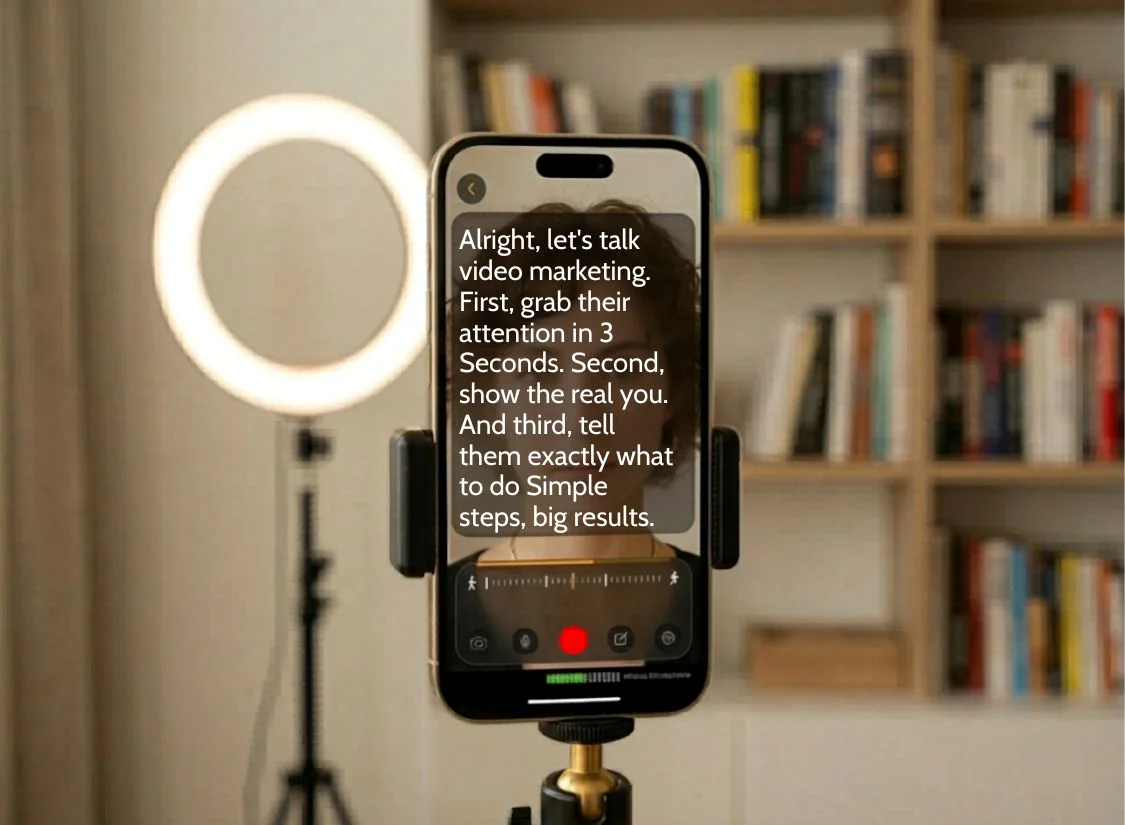
Reading from memory under camera pressure leads to restarts, filler words, and flat energy. A teleprompter removes all three without making you sound robotic, as long as your script is written the way you actually speak.
Teleprompter.com is a free online teleprompter that works directly in your browser, with no download or setup required. Write or paste your script, set your scroll speed, and the text moves at your natural pace. The VoiceGlide goes further: it's voice-activated scrolling that listens to your voice and adjusts automatically so the words always stay where your eyes need them.
The result is delivery that sounds natural, holds the viewer's attention, and earns the watch time that earns algorithmic distribution.
The most common mistake when using a teleprompter for the first time is importing writing-style text into a spoken-word format. Formal sentences, multiple clauses, and long phrases trip you up at recording pace.
Write the way you speak: short sentences, contractions, one idea per line. If it sounds natural when you read it aloud, it will sound natural on camera. An AI script generator can take a topic or rough notes and turn them into a speaking-ready script in seconds, which you can then test and refine before recording.
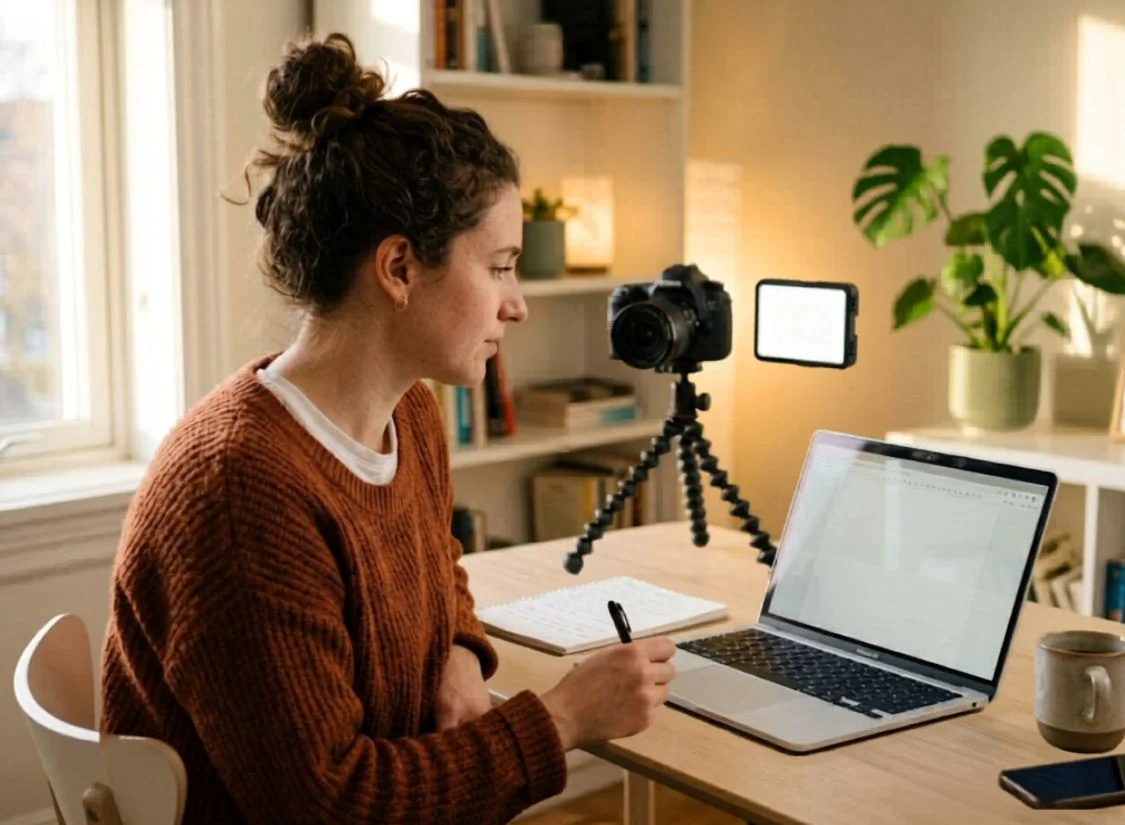
Your hook determines whether a viewer stays past the first three seconds. On TikTok and Instagram Reels, three seconds is roughly all you get. On YouTube, you have a bit more room, but the window is still tight. The hook's only job is to create a reason to keep watching.
The bold claim. Open with a statement that surprises the viewer or challenges something they assume to be true. 'You don't need a studio to produce a professional video' works because it removes a perceived barrier instantly.
The relatable problem. State a frustration your viewer has felt. 'Every time I sat down to record, I couldn't remember exactly what I wanted to say.' An immediate emotional connection makes the viewer want to find out how you solved it.
The direct value promise. Tell the viewer exactly what they are about to get. 'Here are seven factors that determine whether your video gets shared.' No setup, no mystery. A clear payoff that gives the viewer permission to keep watching.
For more hook formats and examples, see how to make a good hook for your video content.
Your hook is the most important line in your script. Write it first, read it aloud at recording pace, and include it in your teleprompter so it lands exactly as intended. An improvised hook rarely performs as well as a written and rehearsed one.
Viewers don't expect a studio. They do expect clear audio, stable footage, and a delivery that doesn't feel rough or unfinished. These three factors determine whether someone finishes your video, and finishing it is the prerequisite for sharing it.
Bad audio kills watch time faster than any other production issue. A viewer will watch shaky footage if the audio is clear. The reverse is rarely true. A basic USB or Bluetooth microphone makes a meaningful difference, and most setups need nothing more expensive than 50 to 100 dollars.
For any video where you are speaking to camera, clear audio is the highest-return investment in your production setup.
A large portion of social media video is watched without sound, particularly on TikTok, Instagram, and Facebook. Captions extend your watch time among silent viewers and make your content accessible to a broader audience.
Teleprompter.com includes auto-caption generation so you can add accurate captions to your recorded video without manual transcription. Adding captions is one of the most effective shareability improvements available at no additional cost.
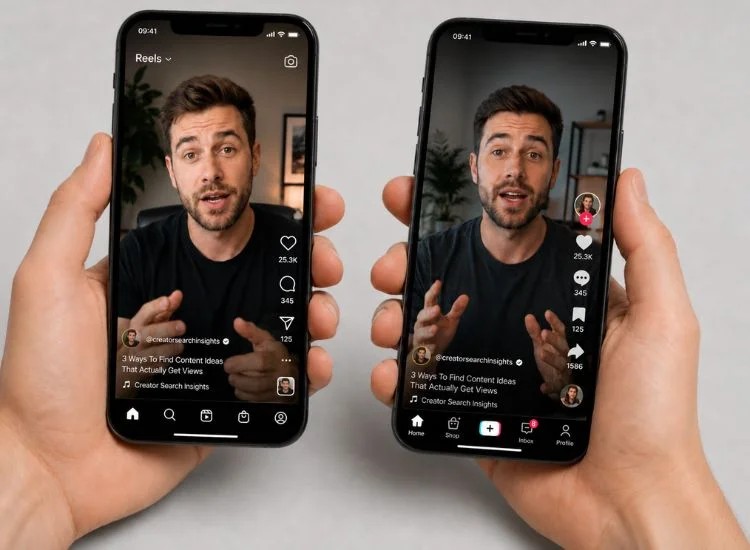
The same video does not perform equally on every platform. What earns shares on TikTok differs from what earns shares on YouTube or LinkedIn. The underlying factors are consistent across all of them: delivery quality, a clear hook, and a well-timed share prompt. How you apply each one varies by platform.
TikTok shares are almost always identity-driven. People share what they want others to see them connecting with, or what they genuinely think a specific person needs to watch. Content that earns TikTok shares tends to say something the viewer has been thinking but hasn't heard put into words, or deliver something practical enough that they immediately think of someone who could use it. Broad, general educational content rarely earns shares here. Specific, direct, and personal content does.
Most TikTok creators who struggle with delivery try to improvise their content. The result is filler words, false starts, and pacing that feels slow for the platform. Writing a concise, punchy script and reading it from a teleprompter gives you the pace and directness TikTok rewards. Write your script at 150 to 170 words per minute, set Teleprompter.com's scroll speed to match, and do one warm-up run off camera before recording.
Format checklist for TikTok:
Instagram Reels rewards visually strong, emotionally resonant content in the 60 to 90 second range. The algorithm favors saves and shares over likes, similar to TikTok, so content that gives the viewer a reason to return or forward performs best. Film in 9:16, caption every video, and open with a hook in your first frame. Teleprompter.com's VoiceGlide lets you deliver a tight Reels script without the stiff look that comes from reading off notes.
YouTube rewards watch time and completion rate above all other signals. A viewer who watches 80% of your video is a stronger share signal than one who watches 20% and leaves a like. For educational or talking-head content, a well-scripted, confidently delivered video holds attention longer, which directly improves your chances of earning a share or being recommended.
Use Teleprompter.com's fixed-time scroll mode to pace your script to your target video length from the start. For a breakdown of how length affects YouTube performance, see how long a YouTube video should be.
The table below covers optimal length, aspect ratio, and share triggers across all major platforms at a glance.
Repurposing video across platforms is smart. Repurposing without reformatting is not. Crop for vertical, re-edit your hook for each platform, and adjust your script pacing to match expected viewer behavior. For more creator-specific tips, see content creator tips.
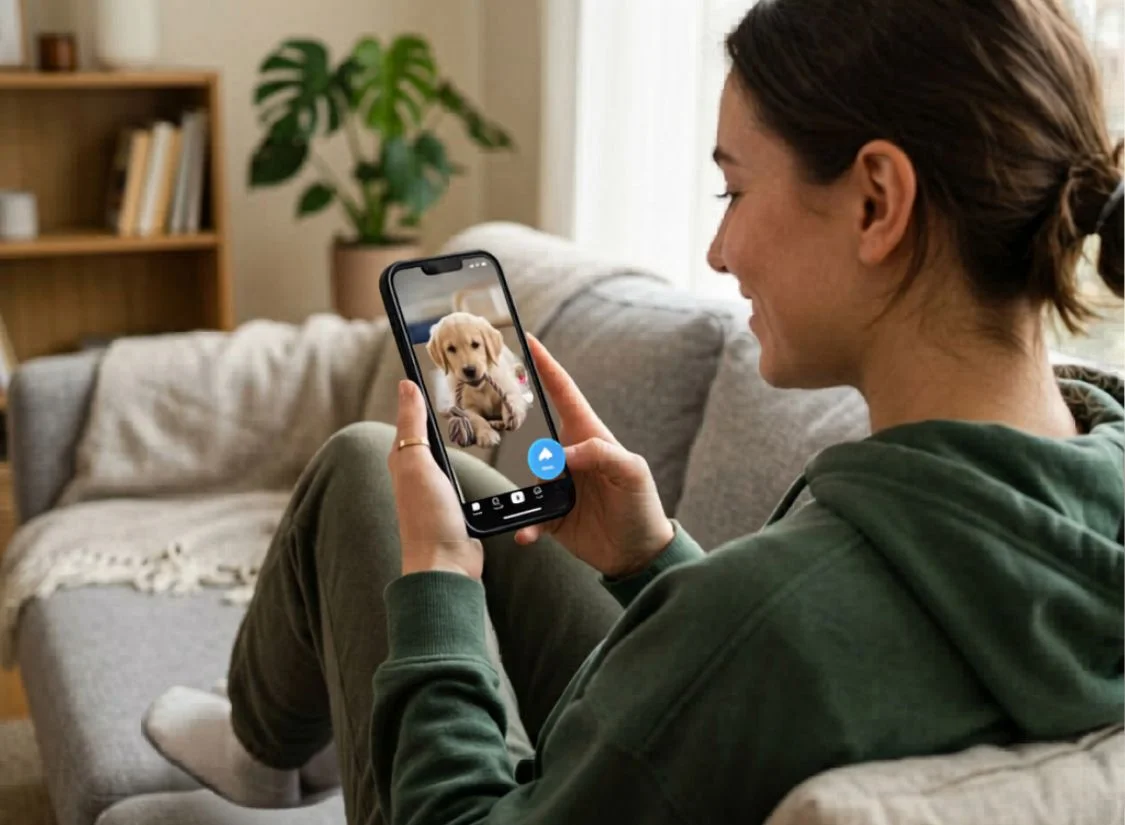
Viewers who are ready to share often just need a nudge. A well-placed verbal or on-screen call to action can increase your share rate without feeling forced, provided it is phrased naturally and placed at the right moment in the video.
The most common mistake is placing the share prompt at the very end of the video, after the conclusion. By that point, most viewers who were going to share have already made up their minds. Place your share prompt earlier, at the moment of highest engagement: right after your main value delivery, before your wrap-up.
Specific prompts outperform generic ones. 'Share this with someone who has been putting off starting their channel' outperforms 'like and share' because it gives the viewer a reason and an identity frame. 'Send this to someone who needs to hear it' works well for instructional or motivational content.
Individual great videos can perform without a consistent publishing schedule. But consistent publishing is what builds the distribution baseline that gives each video a stronger start.
Every platform algorithm allocates early reach to accounts with reliable posting histories. A new video from a consistent account gets shown to more people in its first hour than an equally good video from an account that posts irregularly. That first hour is when shares are most likely to happen, because it is when the video gets its widest initial distribution.
Pick a posting schedule your audience can predict and your production process can support. Posting less often with higher quality consistently outperforms posting frequently with variable quality.
Making a video shareable is an engineering problem, not a luck problem. The factors that drive shares are knowable and repeatable: delivery quality, a scripted hook, platform-native formatting, captions, a well-placed share prompt, and consistent publishing. Work through each one and your share rate improves.
The factor most creators put off improving is delivery. Not because it does not matter, but because improving it feels harder than it is. A teleprompter removes the biggest barrier: recording clean, confident takes without the endless restarts that come from trying to improvise a fully developed script under camera pressure.
Your next video starts here. Sign up and record your first take with confidence. Get started with a free teleprompter.
A shareable video gives the viewer something they want to pass on. That is most often a strong emotional response, a practical insight, or a personal connection that makes them think of someone specific. The technical factors that support shareability are clear delivery, high watch time, platform-native formatting, captions, and a well-placed share prompt.
Open with a hook in your first sentence, script your content so your delivery is paced and direct, and include a verbal share prompt before your conclusion. TikTok's algorithm now weights shares and sends more heavily than likes, so creating content that feels personal and specific enough to forward to someone is the most effective approach.
Yes. Shorter videos with a clear payoff earn more shares on TikTok, Instagram Reels, and Facebook. Longer videos can perform well on YouTube and LinkedIn when the content delivers consistent value throughout. The guiding principle: make the video exactly as long as the content requires, with no padding.
A share prompt is a verbal or on-screen call to action that specifically asks viewers to share, save, or send the video. Effective share prompts are specific and give the viewer a reason: 'Send this to someone who has been putting off recording their first video.' Generic prompts like 'like and share' perform significantly less well.
Captions extend watch time among viewers watching without sound, which improves your algorithmic distribution score. Higher distribution puts your video in front of more people, which increases the pool of potential shares. Captions also make your content accessible to viewers with hearing impairments.
A teleprompter improves on-camera delivery by keeping your script in front of you without breaking eye contact with the lens. Better delivery means fewer stumbles and restarts, which means higher average watch time. Watch time is the primary signal platforms use to determine how widely to distribute a video, and distribution is what makes sharing possible at scale.


.png)


.png)